






What's Happening?
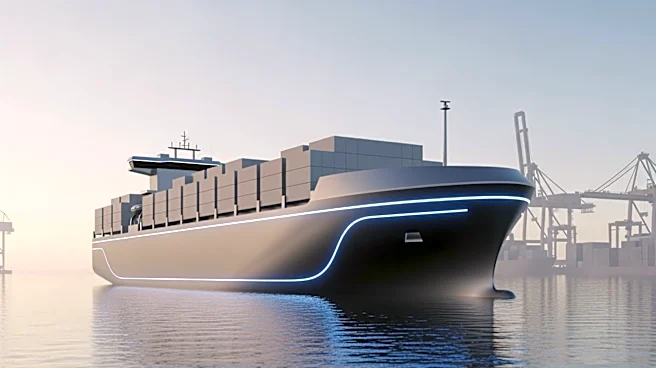
The Maritime and Port Authority of Singapore (MPA) and PSA Singapore have issued an Expression of Interest (EOI) to solicit proposals for the development and testing of autonomous inter-gateway container feeder vessel operations within Singapore's port.
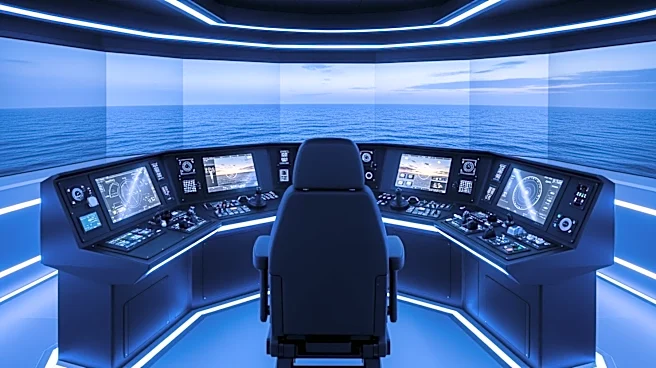
These vessels are essential for moving containers between terminals, such as Tuas and Pasir Panjang, and play a critical role in the port's daily operations. The initiative aims to explore the use of autonomous technologies to enhance efficiency, safety, and reliability in port operations. The EOI seeks to assess the technological readiness, operational feasibility, and safety of these technologies in a rigorous operational environment. The project also includes plans for a remote operations center to integrate vessel sensor data and port traffic information for real-time monitoring and intervention. Proposals must address key considerations such as navigational safety, interaction with manned vessels, traffic management, and cybersecurity. Interested parties are invited to submit their proposals by July 24, 2026.
Why It's Important?
This initiative is significant as it represents a step forward in the adoption of autonomous technologies in maritime operations, which could lead to increased efficiency and safety in one of the world's busiest ports. The development of autonomous vessel operations could also create new career opportunities in areas such as remote vessel monitoring, autonomous systems engineering, and maritime data analytics. Additionally, the project could set a precedent for other ports globally, potentially transforming the maritime industry by reducing human error, improving operational efficiency, and enhancing safety. The successful implementation of autonomous technologies could also contribute to sustainability efforts by optimizing vessel movements and reducing emissions.
What's Next?
Following the submission deadline on July 24, 2026, the MPA and PSA will likely evaluate the proposals based on their technological readiness, operational feasibility, and alignment with safety and regulatory standards. The selected proposals will then undergo testing and development phases to assess their effectiveness in real-world port operations. Stakeholders, including technology developers, maritime operators, and regulatory bodies, will be closely monitoring the outcomes of this initiative. The results could influence future regulatory frameworks and industry standards for autonomous maritime operations.