








What's Happening?
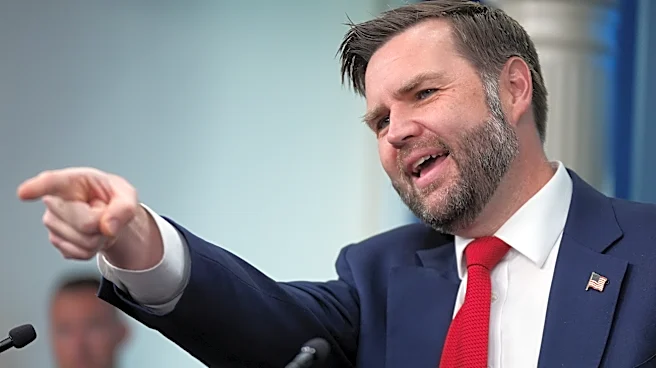
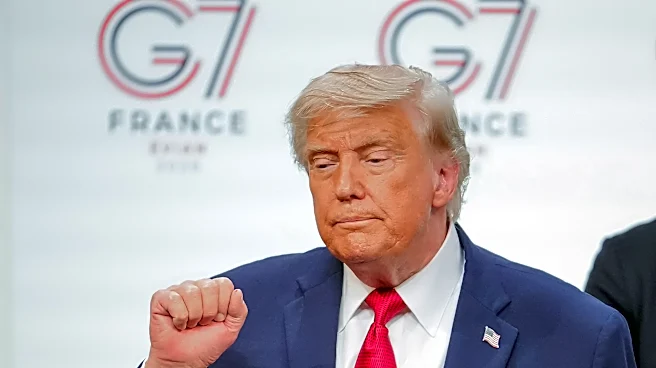
Vice President JD Vance recently made headlines in Israel by stating that President Trump is the only global leader currently sympathetic to Israel. This statement has stirred reactions from political figures in both the United States and Israel, highlighting
the complex dynamics of international relations. Vance's comments come amidst ongoing discussions about the U.S.-Israel relationship and the broader geopolitical landscape. The remarks have been interpreted as a reflection of the current U.S. administration's stance on Israel, which contrasts with other global perspectives. This development is part of a larger narrative involving U.S. foreign policy and its implications for Middle Eastern politics.
Why It's Important?
The significance of Vice President Vance's comments lies in their potential impact on U.S.-Israel relations and the perception of the U.S. in the international community. By positioning President Trump as a unique ally to Israel, the administration may be reinforcing its commitment to supporting Israeli interests. This could influence diplomatic negotiations and alliances, particularly in the context of Middle Eastern politics. The reactions from Israeli and U.S. politicians underscore the sensitivity of international diplomacy and the importance of maintaining balanced foreign relations. The statement may also affect how other nations engage with both the U.S. and Israel, potentially altering diplomatic strategies and alliances.
What's Next?
Following Vice President Vance's comments, it is likely that diplomatic discussions will continue to address the nuances of U.S.-Israel relations. Political leaders in both countries may seek to clarify their positions and reinforce their diplomatic ties. Additionally, other nations observing these developments may adjust their diplomatic approaches to align with or counter the U.S. stance. The ongoing dialogue could lead to further statements or policy adjustments from the U.S. administration, as well as responses from Israeli officials. The situation remains dynamic, with potential implications for future international negotiations and alliances.