










What's Happening?
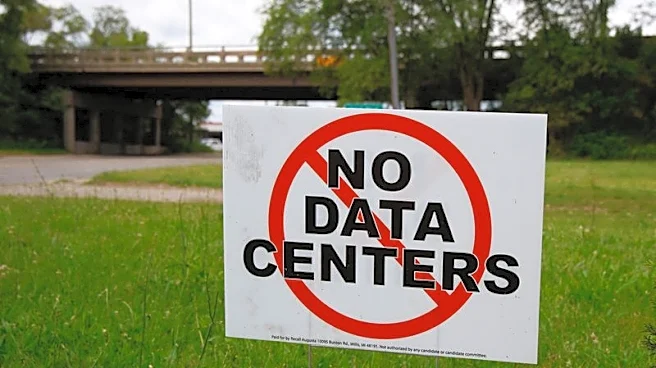
Erin Brockovich, a renowned environmental activist, has initiated a crowd-sourced registry to track the impact of data centers on local communities across the United States. The registry, launched in April, allows residents to report issues related to data centers in their
neighborhoods. Brockovich's initiative comes in response to numerous complaints from residents who were unaware of data center projects until construction began. The registry, available at brockovichdatacenter.com, has already received over 8,200 reports, with concerns primarily focused on water supply, electricity, and potential health risks. Brockovich has criticized local governments for not informing residents about these projects, often due to non-disclosure agreements with the companies involved. The initiative aims to provide a platform for affected individuals to share their experiences and concerns.
Why It's Important?
The proliferation of data centers across the U.S. has raised significant environmental and community concerns. Brockovich's registry highlights the lack of transparency in the approval and construction of these centers, which can have substantial impacts on local resources and residents' quality of life. The initiative underscores the need for greater public awareness and involvement in decisions that affect community infrastructure and resources. By collecting and sharing data from affected residents, the registry could influence policy changes and encourage more responsible development practices. The concerns about water and electricity usage are particularly relevant as these resources are critical to both community well-being and environmental sustainability.
What's Next?
The success of Brockovich's registry in gathering reports may prompt further investigations into the practices of data center developers and the role of local governments in these projects. Increased public pressure could lead to policy reforms that require more transparency and community involvement in the planning stages of such developments. Additionally, the data collected could be used to advocate for stricter regulations on resource usage and environmental impact assessments. Stakeholders, including environmental groups and policymakers, may use this information to push for changes that balance technological advancement with community and environmental health.