






What's Happening?
Informal recyclers, known as cartoneros, in Buenos Aires are facing an increasingly uncertain future due to ongoing economic instability and new city administration policies. These workers, who collect recyclable waste from the streets, emerged as a mass
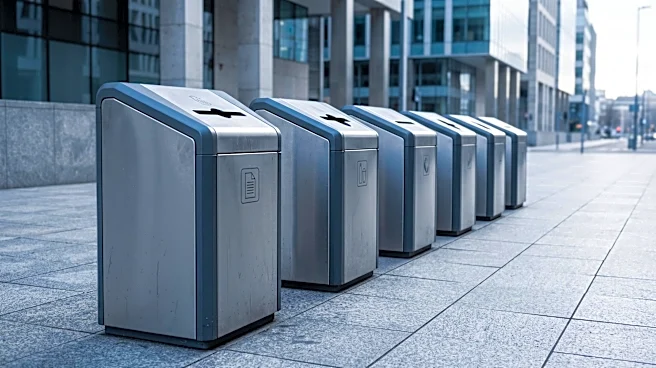
phenomenon after Argentina's devastating 2001 economic crisis and have since become integrated into the city's recycling system through cooperatives. However, the current city Mayor Jorge Macri's administration aims to reshape waste collection with stricter enforcement, private contractors, and technology-driven monitoring. This overhaul includes banning handcarts, retrofitting rubbish containers with narrow lids to prevent material extraction, and promoting a new dry-waste tender that could shift much of the recycling system to private companies. Cartoneros report that their situation has regressed to levels reminiscent of the 2001 crisis, struggling to afford basic necessities like food and gas, and feeling that their established rights are being lost.
Why It's Important?
The plight of the cartoneros highlights the broader socio-economic challenges faced by vulnerable populations in Argentina amidst persistent economic instability. Their struggle reflects how policy changes, even those aimed at modernization, can disproportionately impact informal workers who rely on these systems for survival. The potential dismantling of the cooperative model, which provided a degree of formalization and support, could push thousands of families back into extreme poverty and exacerbate social inequalities. For the U.S., while not directly impacted, this situation serves as a case study in the complexities of urban waste management, informal economies, and social welfare in developing nations. It underscores the global challenge of balancing economic development and efficiency with social equity and the protection of marginalized labor forces. The situation also illustrates how historical economic crises can create enduring social structures that are vulnerable to subsequent economic downturns and policy shifts.
What's Next?
The future of the cartoneros in Buenos Aires remains precarious. The city administration's proposed overhaul, including the new dry-waste tender and increased privatization, is likely to continue. Cartonero cooperatives and social organizations are expected to continue protesting these changes, advocating for their livelihoods and the preservation of their established recycling model. Legal challenges, such as those against the elimination of transport subsidies, may also continue. The outcome of these policy shifts will determine whether thousands of cartoneros can maintain their income and way of life or if they will be further marginalized. The situation could also lead to increased social unrest if the economic conditions for these workers deteriorate further. The long-term impact on Buenos Aires' recycling system, balancing efficiency with social inclusion, will be closely watched.
Beyond the Headlines
The situation of the cartoneros delves into deeper ethical and social implications regarding the value of informal labor and the responsibility of urban governance towards its most vulnerable citizens. The cartoneros represent a resilient, self-organized response to economic crisis, transforming waste into a means of survival and contributing to environmental sustainability. The city's move towards privatization and technology-driven solutions, while potentially increasing efficiency, risks dehumanizing the waste management process and overlooking the social capital built within the cooperative system. This conflict highlights the tension between modern urban planning ideals and the lived realities of informal economies. It also raises questions about the true cost of 'cleanliness' and efficiency if it comes at the expense of human dignity and social safety nets. The long-term societal impact could include increased social fragmentation and a loss of community-based solutions to urban challenges, reflecting a broader global struggle between economic rationalization and social justice.