




What's Happening?
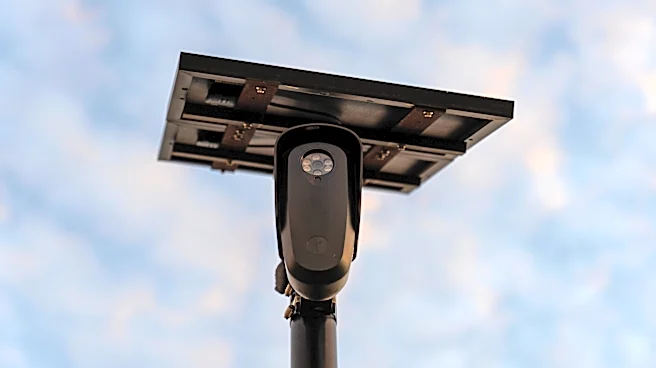
The Texas Department of Public Safety (DPS) plans to continue operating its extensive network of AI-powered surveillance cameras, known as Flock cameras, despite Governor Greg Abbott's order blocking state agencies from spending money on these devices.
While DPS will pause the installation of new cameras, it will maintain its existing network, which includes at least 940 cameras. This network compiles identifying information on tens of thousands of vehicles daily. A Texas Tribune review of June searches revealed that DPS's network is accessed by law enforcement agencies across the U.S. approximately every four seconds. Of the 615,000 searches, 48% originated from outside Texas, and 3,075 agencies, including 2,679 from out-of-state, conducted queries. Following inquiries from the Tribune, DPS announced it would limit access to its automated license plate reader (ALPR) data to only those law enforcement agencies with signed agreements, a change from previous access for specific license plate lookups by non-agreement agencies.
Why It's Important?
The continued operation of DPS's surveillance network, despite the Governor's directive, highlights a significant tension between public safety initiatives and privacy concerns. The widespread use of ALPRs by DPS and its sharing of data with thousands of other law enforcement agencies, both in and out of Texas, raises questions about the scope of surveillance and data privacy for citizens. The fact that nearly half of the searches in June came from outside Texas, with some for 'traffic infractions' and immigration-related details, underscores the broad reach and potential applications of this technology beyond initial crime-fighting justifications. The decision to limit access to agencies with signed agreements is a step towards greater accountability but also reveals that previously, a vast number of agencies could access this data without formal agreements, raising concerns about data governance and oversight. This situation also puts local law enforcement agencies in a difficult position, as many relied on state grants for their Flock camera programs, which are now in disarray.
What's Next?
Local law enforcement agencies that previously relied on state grants for Flock cameras, such as El Paso and Dallas police, are already shutting down their systems. Killeen police are awaiting formal guidance on the future of their cameras. The Texas Motor Vehicle Crime Prevention Authority, which funded many of these cameras, has yet to release public guidance on how its grants and contracts are affected by Governor Abbott's order, with its next meeting scheduled for October 13. Lawmakers from across the political spectrum are pressing Governor Abbott for a complete ban on these cameras, with his Democratic opponent in the November 3 election, state Rep. Gina Hinojosa, criticizing the 'warrantless surveillance.' The debate over the balance between public safety technology and individual privacy is expected to intensify, potentially leading to further legislative action or legal challenges regarding the use and funding of surveillance technologies like Flock cameras.
Beyond the Headlines
The ongoing debate surrounding Flock cameras in Texas, and the broader U.S., touches upon fundamental questions of civil liberties in the digital age. The technology's ability to track vehicle movements and compile extensive databases of identifying information creates a persistent record of individuals' whereabouts, raising concerns about mass surveillance and the erosion of privacy. The ethical implications extend to how this data is used, shared, and secured, particularly when it involves out-of-state agencies and searches for non-criminal infractions or immigration-related matters. The lack of transparency regarding the number of cameras and the full extent of data sharing further complicates public trust. This situation highlights the need for clear legislative frameworks and robust oversight mechanisms to govern the deployment and use of such powerful surveillance tools, ensuring they are employed responsibly and do not infringe upon constitutional rights. The shift towards limiting access to agencies with signed agreements, while a step, still leaves open questions about the nature of these agreements and the ultimate accountability for data misuse.