





What's Happening?
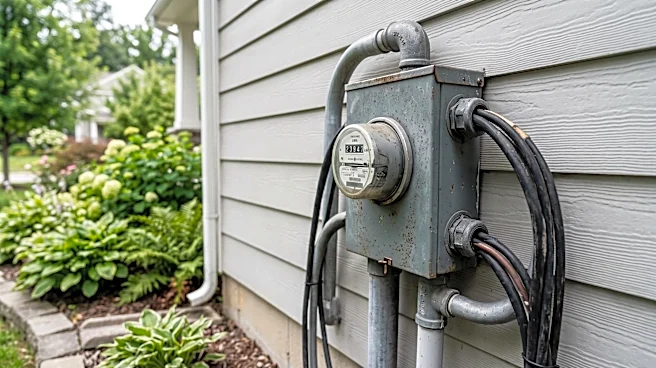
Baltimore Gas and Electric (BGE) is seeking approval from the Maryland Public Service Commission (PSC) for its new prepaid electricity program, FlexPay. This program would require participating customers to waive several key protections against service
disconnections. Under FlexPay, electricity would be disconnected the business day after a customer's balance reaches zero. While BGE claims disconnections would be shorter and service could be restored by adding $15 or more to the account, customers would forgo standard protections such as a 14-day notice before disconnection and a 55-day delay for those applying for energy assistance. The proposal is part of BGE's larger request for a $156.1 million rate increase, which would add approximately $8 to the average residential customer's monthly bill.
Why It's Important?
This proposal is highly significant for Maryland electricity consumers, particularly those with lower incomes or who are struggling to pay their bills. Waiving shutoff protections could lead to more frequent and potentially disruptive disconnections, even if they are shorter in duration. Critics, including the National Consumer Law Center, argue that FlexPay would not make electricity more affordable and could exacerbate financial hardship for vulnerable customers. The program's structure, which applies 25% of payments to existing debt and 75% to future use, could also make it challenging for customers to get ahead on their bills. The PSC's decision will set a precedent for how utilities can structure prepaid programs and the level of consumer protection deemed acceptable, potentially influencing similar proposals in other states.
What's Next?
The Maryland Public Service Commission is expected to make a final decision on BGE's rate case, including the FlexPay proposal, in January 2027. Public comment hearings are scheduled for November 4th and November 18th, allowing consumers and other stakeholders to voice their opinions. The PSC will consider expert testimony, including that from the Office of People's Counsel, which argues against the program's benefits for affordability. The outcome will determine whether BGE can implement FlexPay with its proposed terms and whether the requested rate increase will be approved. If approved, BGE also plans to expand eligibility to gas customers in a future filing.
Beyond the Headlines
The debate over BGE's FlexPay program highlights a broader national discussion about energy affordability, consumer protections, and the role of prepaid utility services. The historical context of prepaid metering, originating in apartheid-era South Africa, raises ethical concerns about its potential to disproportionately affect marginalized communities. Expert testimony suggests a correlation between disconnections and race, implying that such programs could exacerbate existing inequalities. The voluntary nature of the program is also questioned, as customers facing imminent disconnection or high security deposits may feel compelled to enroll. This situation underscores the need for careful regulatory scrutiny to ensure that utility programs genuinely benefit consumers and do not inadvertently create new forms of financial vulnerability.