



What's Happening?
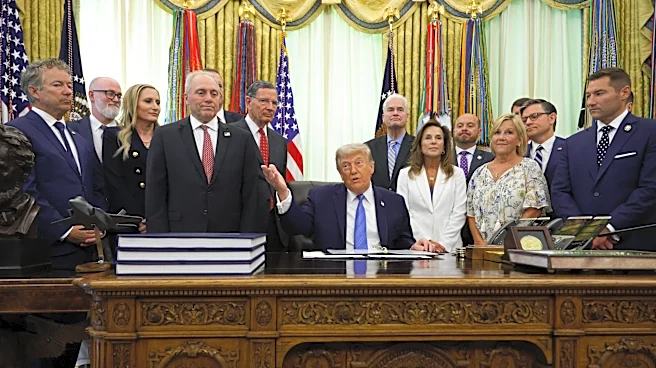
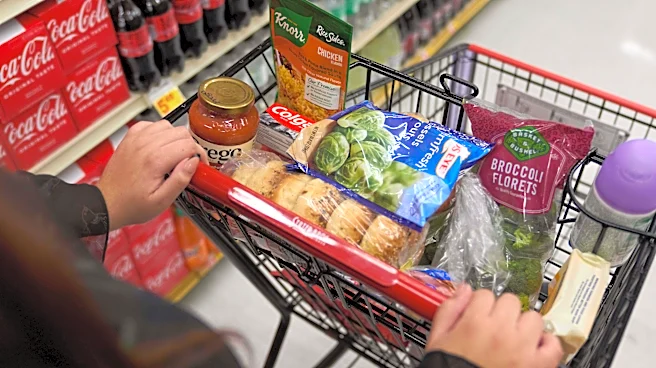
The President Trump administration has recently focused on the beef industry through various initiatives, including executive orders and USDA programs. On August 21, President Trump declared 300,000 metric tons of ground beef would be imported tariff-free
for 90 days, aiming to sell it at 25% below current market prices. While the Texas & Southwestern Cattle Raisers Association supports affordable groceries, they argue that increasing beef imports is not the solution to higher retail prices. Ten days later, USDA launched its Ranchers First Initiative, which includes five provisions. Among these is the Beef Retention and National Development (BRAND) endorsement, designed to allow producers to insure the economic value of retaining a heifer for breeding for up to two years through the Livestock Risk Protection program. Additionally, the initiative permits the Emergency Conservation Program to be used on acres enrolled in the Grassland Conservation Reserve Program following natural disasters, and establishes a SPUR Guaranteed Loan Program to expand small and regional meat-processing capacity.
Why It's Important?
These initiatives by the President Trump administration carry significant implications for the U.S. beef industry, affecting producers, processors, and consumers. The tariff-free beef imports, while intended to lower consumer prices, could inject instability into a market already working to correct itself, potentially delaying the normalization of prices for domestic producers. The BRAND endorsement within the Ranchers First Initiative is crucial for mitigating financial risks associated with retaining heifers for breeding, thereby supporting herd rebuilding efforts and long-term supply stability. Expanding meat-processing capacity through the SPUR Guaranteed Loan Program addresses a critical bottleneck in the industry, as inadequate packing capacity limits the industry's growth regardless of consumer demand. This expansion could create more opportunities for cattle to be processed closer to where they are raised, benefiting small and regional facilities and enhancing market access for producers. The review of mandatory country-of-origin labeling (MCOOL) also holds importance, as it could influence consumer trust and demand for domestically produced beef.
What's Next?
The Texas & Southwestern Cattle Raisers Association has called for a comprehensive review of the Livestock Risk Protection program to include breeding stock coverage, expressing hope that the BRAND endorsement will become available to ranchers after market testing. USDA is also directed to strengthen enforcement of the Packers and Stockyards Act, increasing resources for investigating potentially unfair practices. Furthermore, the administration aims to expand interstate market opportunities and modernize meat inspection. The second executive order directs USDA to review its authority to establish mandatory country-of-origin labeling for beef and assess its economic impacts. While this means MCOOL is under formal review, the order itself does not immediately establish mandatory labeling. The association supports voluntary guidelines for country-of-origin labeling. These actions indicate a continued focus on addressing market access, competition, and risk management within the U.S. beef sector, with potential legislative recommendations to Congress for further action.
Beyond the Headlines
Beyond the immediate policy changes, these initiatives reflect a broader governmental effort to address long-standing structural issues within the U.S. beef industry, particularly concerning market concentration and producer profitability. The emphasis on expanding processing capacity and strengthening enforcement of fair competition laws suggests a recognition of the challenges faced by smaller producers in a highly consolidated market. The focus on risk management tools like the BRAND endorsement also highlights a shift towards more proactive support for producers in managing economic uncertainties. The debate over mandatory country-of-origin labeling touches upon deeper questions of consumer information, trade policy, and national identity in food production. These developments could set precedents for how future administrations approach agricultural policy, balancing consumer interests with the economic viability of domestic producers and the overall resilience of the food supply chain.