





What's Happening?
A San Fernando Valley father, Micah Reed, received an electricity bill of approximately $3,300 from the Los Angeles Department of Water and Power (LADWP) for a month during a summer heatwave, despite maintaining his thermostat at 74 degrees. This exorbitant
charge prompted Reed to create a viral video and launch a petition demanding an independent audit of LADWP's rate calculations, tier thresholds, and pass-through charges. The petition also advocates for larger Tier 1 and Tier 2 thresholds for July through September, arguing that households should not be forced into higher-cost usage tiers due to essential cooling needs during extreme heat. Additionally, Reed is seeking flexible monthly payment options, no-interest plans for unusually high bills, and limits on utility shutoffs during periods of high summer costs. LADWP's high-season schedule, from June to September, coincides with increased electricity demand and features rising residential prices as usage enters higher tiers. During July through September, LADWP applied a 5.69-cent-per-kilowatt-hour energy cost adjustment and a 6.934-cent incremental reliability cost adjustment, with the top residential tier priced at 40.968 cents per kilowatt-hour.
Why It's Important?
This situation highlights the significant financial burden extreme weather conditions and utility rate structures can place on U.S. households, particularly in regions prone to severe heat. The petition's call for an independent audit and rate relief underscores a broader public concern regarding utility transparency, affordability, and accountability. The tiered rate design, intended to promote conservation, can inadvertently penalize residents who need to use more electricity for cooling during heatwaves, raising questions about its equity and effectiveness. The potential for utility bills to reach thousands of dollars for standard household usage during peak seasons can lead to financial distress, debt, and health risks for vulnerable populations unable to afford adequate cooling. This event could catalyze increased scrutiny of utility pricing models and prompt policy discussions on how to balance energy conservation goals with consumer protection and affordability, especially in the face of rising temperatures and more frequent extreme weather events across the U.S.
What's Next?
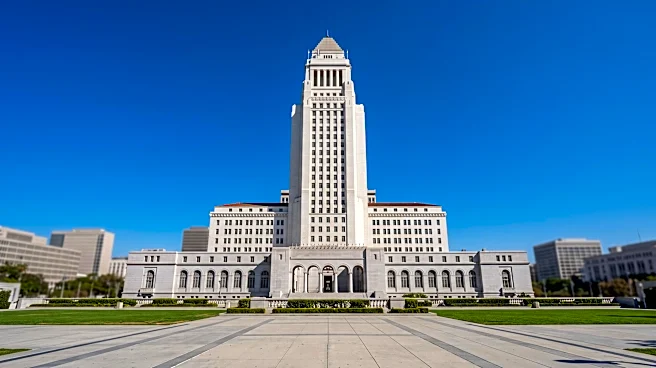
Micah Reed's petition calls for Los Angeles City Controller Kenneth Mejia to conduct a public audit of LADWP's rate calculations, tier thresholds, and pass-through charges. The outcome of this petition and any subsequent audit could lead to significant changes in LADWP's billing practices and rate structures, particularly for the summer months. Stakeholders, including consumer advocacy groups and other Los Angeles residents who have expressed similar concerns, will likely monitor the response from city officials and LADWP closely. There could be further public discourse and potential legislative action aimed at reforming utility billing policies to better protect consumers from unexpectedly high costs during periods of high demand. The petition also seeks the implementation of flexible payment options and limits on utility shutoffs, which, if adopted, would provide immediate relief to households struggling with high bills. This situation may also encourage other U.S. cities and utilities to review their own rate structures and consumer protection measures.
Beyond the Headlines
The Los Angeles power bill controversy extends beyond immediate financial concerns, touching upon deeper societal and environmental implications. The incident highlights the growing challenge of maintaining livable conditions in urban environments amidst escalating climate change impacts, such as more frequent and intense heatwaves. It also brings to light the ethical considerations for utility companies in balancing profit motives and infrastructure costs with public welfare, especially when essential services like electricity become unaffordable for many. The public's reaction, as evidenced by the viral video and petition, suggests a growing demand for greater transparency and accountability from public utilities. This could foster a broader movement towards energy justice, advocating for policies that ensure equitable access to affordable and reliable energy, particularly for low-income communities and those disproportionately affected by climate change. The debate also implicitly questions the sustainability of current energy consumption patterns and infrastructure, potentially accelerating the transition to more resilient and affordable energy solutions, such as community solar and energy efficiency upgrades, across the U.S.