




What's Happening?
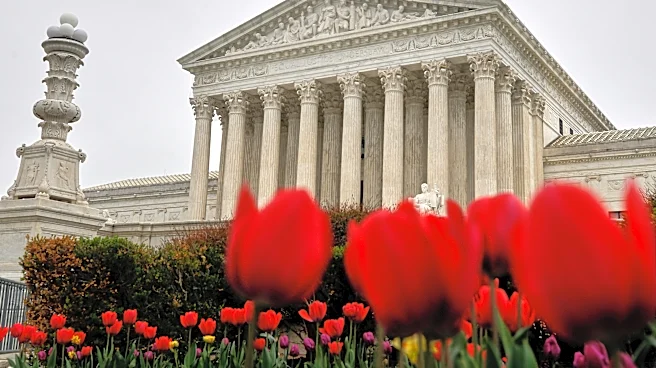
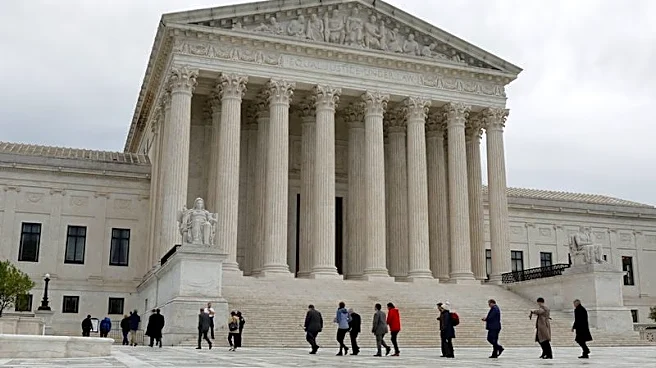
Governor Jeff Landry of Louisiana has suspended the state's U.S. House primary elections following a U.S. Supreme Court decision that invalidated the state's congressional map. The court ruled that the map, which included an additional majority-Black
district, was an illegal gerrymander due to excessive reliance on racial demographics. This decision has led to the suspension of the primaries, initially scheduled for May 16, with absentee voting already underway. The elections are now postponed to July 15, unless the state legislature decides on a different date. Despite the suspension, other races, such as the U.S. Senate contest, will proceed as planned. Secretary of State Nancy Landry clarified that while the U.S. House races will remain on the ballots, votes for these candidates will not be counted. The suspension has prompted legal challenges and calls from Democratic candidates and civil rights advocates for voters to continue participating in the electoral process.
Why It's Important?
The suspension of the U.S. House primaries in Louisiana highlights significant issues surrounding electoral fairness and representation. The Supreme Court's ruling underscores the ongoing national debate over gerrymandering and its impact on minority representation. By declaring the congressional map illegal, the court has set a precedent that could influence redistricting efforts across the country. The decision and subsequent suspension of elections could affect voter turnout and confidence in the electoral process, particularly among minority communities. Additionally, the legal challenges to Governor Landry's order may lead to further judicial scrutiny and potential changes in how electoral maps are drawn, impacting future elections and political power dynamics in Louisiana and beyond.
What's Next?
In the wake of the Supreme Court's decision, Louisiana lawmakers are expected to undertake a new round of congressional redistricting. This process will be closely watched as it could set a standard for how states address racial considerations in district mapping. The legal challenges against Governor Landry's suspension order may also progress through the courts, potentially leading to a reversal or modification of the decision. Political leaders and civil rights groups are likely to continue advocating for fair representation and may push for legislative or judicial reforms to prevent similar issues in the future. The outcome of these developments will be crucial in shaping the political landscape in Louisiana and could influence national discussions on voting rights and electoral integrity.