







What's Happening?
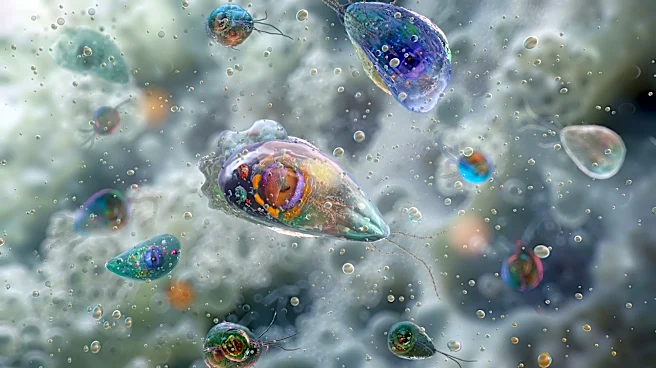
Health officials across the U.S. are issuing warnings regarding an increase in infections and deaths linked to Vibrio vulnificus, commonly known as 'flesh-eating' bacteria. This rare bacterium naturally occurs in warm saltwater and brackish water. Infections
can occur through direct contact with contaminated water, especially for individuals with open wounds or broken skin. Another common route of infection is consuming raw or undercooked shellfish, particularly oysters. So far this year, Florida has reported four deaths from 21 cases, and Louisiana has reported six deaths from 17 cases. South Carolina has also reported three cases, with one related death. While healthy individuals typically experience mild illness, the bacteria poses a significant risk to those with weakened immune systems, chronic liver disease, or other underlying health conditions. Severe infections can lead to intensive care, limb amputations, and a fatality rate of about one in five, sometimes within 24 to 48 hours of illness onset.
Why It's Important?
The rise in Vibrio vulnificus infections and associated deaths highlights a significant public health concern, particularly in coastal U.S. states. The bacterium's prevalence in warm, brackish waters suggests a potential link to changing environmental conditions, such as warming coastal waters, which could expand its geographical range and increase the duration of its active season. This trend impacts the seafood industry, as public perception of raw or undercooked shellfish safety may decline, potentially affecting demand for products like oysters. For the healthcare system, an increase in severe cases necessitates heightened awareness among medical professionals for early diagnosis and aggressive treatment, as delayed intervention can be fatal. Furthermore, the need for public education on preventive measures, such as thoroughly cooking shellfish and avoiding water exposure with open wounds, becomes critical to mitigate risks and protect vulnerable populations, including those who are immunocompromised.
What's Next?
Health officials are expected to continue monitoring Vibrio vulnificus cases and provide updated guidance to the public. The Centers for Disease Control and Prevention (CDC) recommends immediate medical attention if symptoms develop after potential exposure, emphasizing that treatment should not be delayed for specialist consultation or laboratory confirmation. Public health campaigns will likely focus on educating residents and tourists in affected coastal areas about preventive measures, including avoiding raw or undercooked shellfish and keeping open wounds away from warm saltwater. Further research may be conducted to understand the environmental factors contributing to the observed increase in infections, potentially leading to enhanced water quality monitoring in coastal regions. The seafood industry may also face increased scrutiny and could implement stricter processing and handling guidelines to ensure product safety.
Beyond the Headlines
The increasing incidence of Vibrio vulnificus infections points to broader ecological and public health challenges. The bacterium's natural occurrence in warm, brackish waters suggests that climate change and rising ocean temperatures could contribute to its expanded presence and longer active seasons, potentially affecting new geographic areas. This raises questions about the long-term sustainability of certain coastal activities and industries, such as oyster farming and recreational water use. Ethically, there's a responsibility to balance public health warnings with avoiding undue panic, ensuring that information is accurate and actionable without causing unnecessary alarm or economic disruption. The 'flesh-eating' moniker, while attention-grabbing, can obscure the nuanced scientific understanding of how the bacteria causes tissue damage, which is through toxin production and blood supply disruption rather than direct consumption. This underscores the importance of precise scientific communication in public health messaging.