






What's Happening?
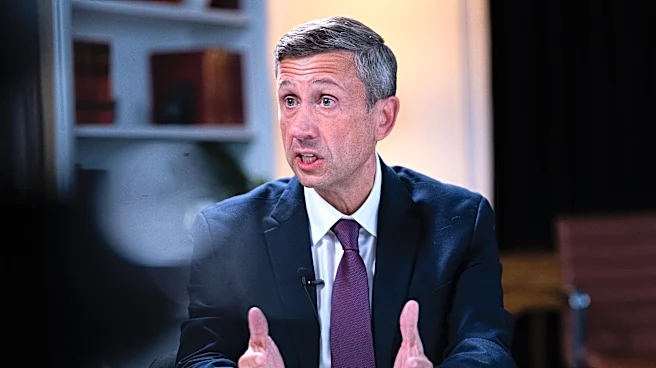
In the Michigan Senate primary, ads featuring former President Barack Obama's past praise for candidate Haley Stevens are being aired, despite Obama not endorsing any candidate in the race. The ads, funded by outside groups, use a 2018 clip of Obama commending
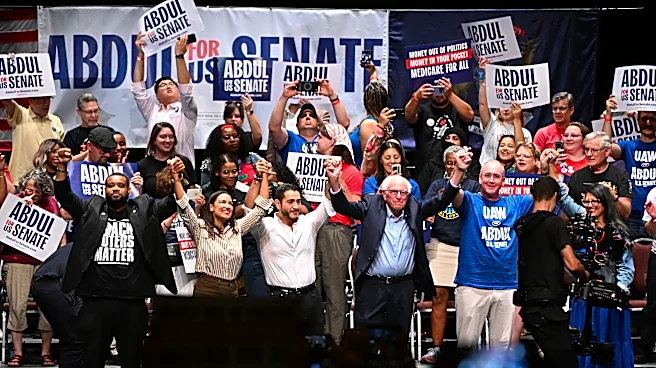
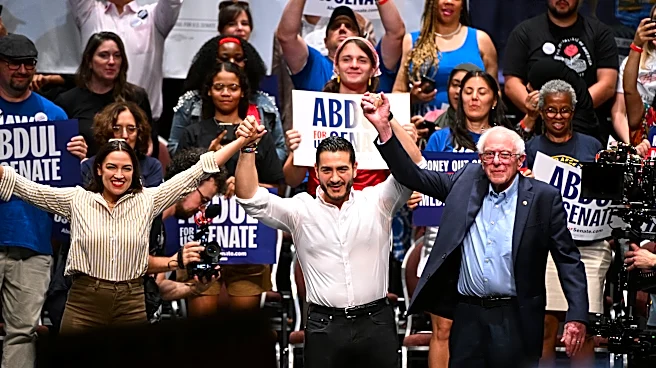
Stevens for her role in the US Auto Rescue Task Force. Stevens' opponent, Abdul El-Sayed, criticizes these ads as misleading, suggesting they imply an endorsement that doesn't exist. The ads are part of a broader strategy by Stevens' supporters to leverage Obama's popularity, especially among Black voters, to gain an edge in the competitive primary. The campaign has sparked debate over the ethics of using past endorsements in current political advertising.
Why It's Important?
The use of Obama's image and words in the Michigan Senate race highlights the ongoing influence of his political legacy. This strategy underscores the importance of endorsements and perceived support in swaying voter opinions, particularly in a state with a significant African American electorate. The controversy also reflects broader tensions within the Democratic Party between establishment figures and progressive challengers. The outcome of this primary could influence the party's approach to future elections, especially in battleground states like Michigan, which are crucial for maintaining or gaining control in the Senate.
What's Next?
As the primary approaches, both candidates are likely to intensify their campaigns, with Stevens continuing to emphasize her connection to Obama's administration and El-Sayed focusing on grassroots support. The role of outside funding and its impact on voter perception will remain a contentious issue. The winner of the primary will face a Republican challenger in a general election that could determine control of the Senate, making this race a focal point for national political strategies.