






What's Happening?
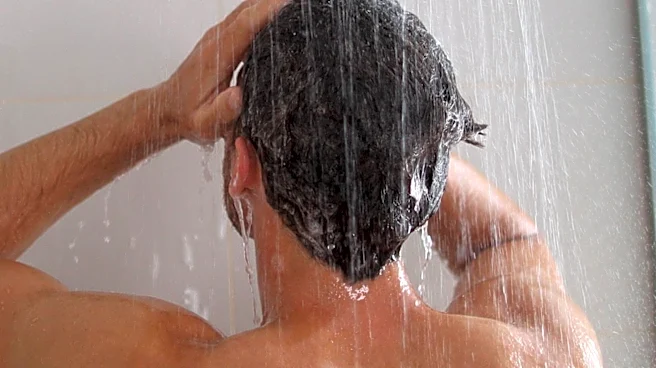
A dissertation from the University of Basel indicates that individuals who adopted a 12-week cold-shower routine experienced a 26% reduction in illness days and a 31% decrease in sickness absence compared to those who continued taking warm showers. These
findings are based on a pooled analysis of three randomized trials conducted in Switzerland, involving 719 participants. Researchers collected monthly reports from participants regarding the number of days they felt ill and the number of workdays missed due to illness. The cold-shower routines varied across the studies but generally involved daily cold showers over the 12-week period, with some instructions specifying showers ending with a period at the coldest setting. While overall well-being reportedly improved, physical well-being showed only a trend toward improvement. The study's authors acknowledge that the trials were unblinded, meaning participants were aware of their assigned shower routine, and data relied on participant recollections, which can be imperfect. The health-results paper has been submitted to a journal, and the findings are considered preliminary until peer-reviewed and published.
Why It's Important?
These preliminary findings could have implications for public health recommendations and workplace wellness programs, particularly in the U.S. If further research substantiates a link between cold showers and reduced sick days, it could offer a simple, cost-effective intervention to potentially decrease absenteeism in various sectors. For businesses, a reduction in sick days could translate to increased productivity and lower healthcare costs associated with employee illness. For individuals, it might present a non-pharmacological approach to potentially bolster general well-being and reduce the frequency of common illnesses. However, the unblinded nature of the trials and reliance on self-reported data mean that the observed effects could be influenced by participant motivation or placebo effects. The study does not establish that cold showers prevent infections, only that participants reported fewer illness days, leaving the underlying mechanisms unexplained. Therefore, while intriguing, these results warrant cautious interpretation and further rigorous investigation before widespread adoption.
What's Next?
The next crucial step for these findings is the peer-review process and subsequent publication in a scientific journal. This will allow the broader scientific community to scrutinize the methodology, data analysis, and conclusions, lending more credibility to the results if they withstand review. Should the findings be published and replicated in independent, more robust studies, researchers might then explore the physiological mechanisms through which cold exposure could potentially influence the immune system or overall health. Future research could also involve larger, blinded trials to mitigate potential biases and investigate specific populations. If a causal link is established, public health organizations and healthcare providers might consider incorporating cold exposure as a potential recommendation for general wellness, though this would require extensive validation and clear guidelines. For now, the findings serve as a basis for further scientific inquiry rather than immediate practical application.
Beyond the Headlines
Beyond the immediate implications for sick days, this research touches upon the broader concept of hormesis, where mild stress, like cold exposure, can induce beneficial adaptive responses in the body. This principle is explored in various health and wellness trends, suggesting that controlled environmental stressors can enhance resilience. The study also highlights the ongoing challenge in health research of conducting truly blinded trials for interventions that are difficult to mask, such as cold showers. The reliance on self-reported data, while common, always introduces a degree of subjectivity and potential for bias, underscoring the need for objective biomarkers in future studies. Furthermore, the public's growing interest in natural and non-pharmaceutical health interventions means that such findings, even preliminary ones, can quickly gain traction, sometimes leading to premature adoption. This emphasizes the ethical responsibility of researchers and media to communicate scientific findings with appropriate caveats and to distinguish between correlation and causation.