







What's Happening?
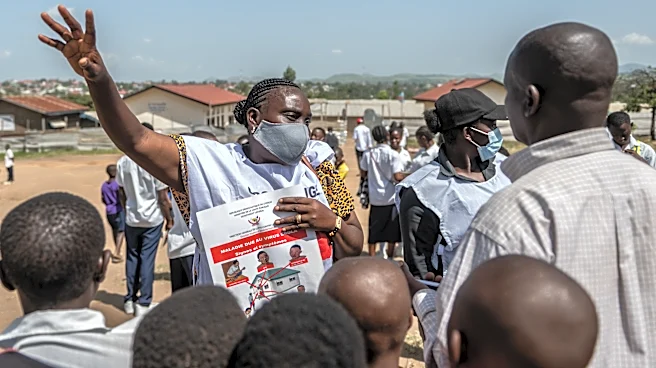
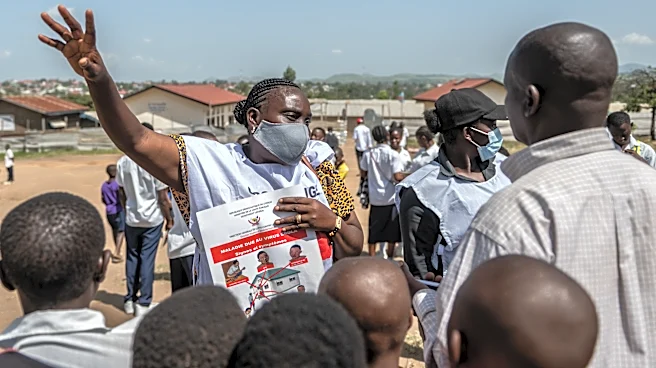
The Democratic Republic of Congo is facing a severe Ebola outbreak, exacerbated by widespread conspiracy theories. Misinformation has led to distrust in health authorities and violent incidents, including attacks on hospitals. Some residents believe the outbreak is a hoax
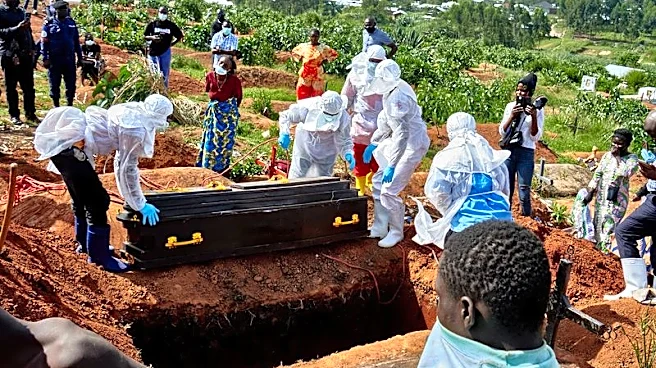
or a scheme by NGOs to secure funding. This skepticism has resulted in resistance to health measures, such as safe burial practices, and has hindered efforts to contain the virus. The World Health Organization reports at least 750 suspected cases and 177 deaths, with misinformation complicating the response.
Why It's Important?
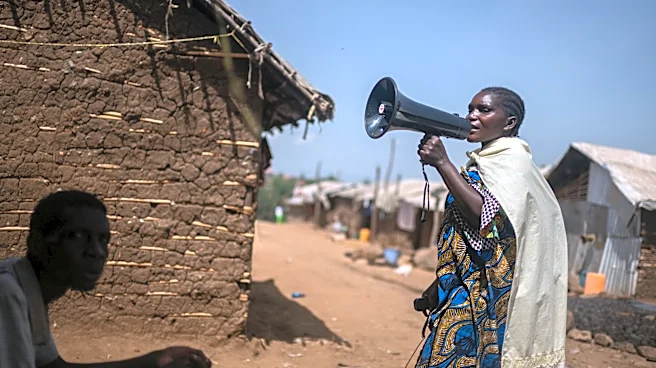
The spread of conspiracy theories during a health crisis can significantly undermine public health efforts. In the Congo, this has led to increased transmission of Ebola, as communities resist interventions and health workers face hostility. The situation highlights the critical need for effective communication and community engagement in managing outbreaks. It also underscores the impact of funding cuts on health infrastructure, which can exacerbate mistrust and hinder response efforts. Addressing misinformation is essential to controlling the outbreak and preventing further loss of life.
What's Next?
Efforts to combat misinformation and build trust with local communities will be crucial in the coming weeks. Health organizations may increase outreach and education initiatives to counter false narratives and promote understanding of Ebola prevention measures. International support and funding will be necessary to strengthen health systems and ensure adequate resources for the response. The situation may also prompt a reevaluation of global health funding priorities to prevent similar challenges in future outbreaks.