





What's Happening?
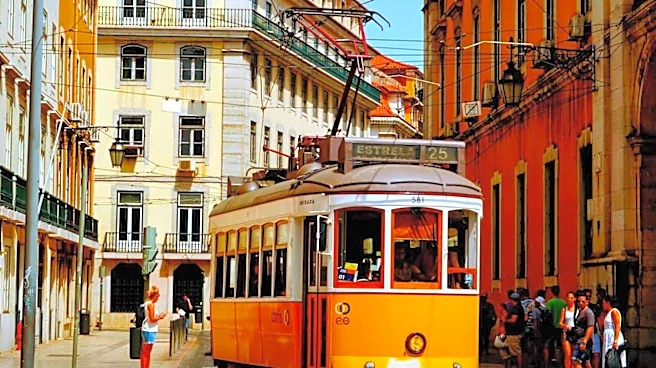
Lisbon, Portugal, a city with a population of approximately 517,802, is experiencing a notable urban transformation, particularly in its Marvila neighborhood. This area is slated for significant development, including the introduction of new public amenities
and housing, as part of a master plan designed by architecture firms MVRDV and OODA. Beyond this urban renewal, Lisbon continues to be a vibrant cultural hub, known for its historical depth and diverse offerings. The city operates on the Euro (EUR) currency and is geographically located at 38° 43' N Latitude and 9° 07' W Longitude. It is currently three hours behind Doha, Qatar, in terms of time zone. Additionally, Lisbon is recognized for its surfing opportunities, with Praia da Saude being the closest surf break, attracting both locals and tourists.
Why It's Important?
The urban development in Lisbon's Marvila neighborhood signifies a strategic effort to modernize and expand the city's infrastructure, which could lead to increased economic activity and improved living conditions for residents. The introduction of new housing and public amenities is crucial for accommodating population growth and enhancing urban quality of life. For the U.S., this development showcases international trends in urban planning and sustainable city growth, offering insights into potential strategies for American cities facing similar challenges of urbanization and infrastructure development. The city's continued appeal as a cultural and tourist destination, bolstered by its surfing spots and historical sites, also highlights the economic importance of tourism. This could influence U.S. travel and tourism industries, as well as investment opportunities in international real estate and urban development projects, by demonstrating successful models of urban revitalization and cultural preservation.
What's Next?
The master plan for Lisbon's Marvila neighborhood is expected to proceed with the implementation of new public amenities and housing, which will likely unfold over several years. This will involve various stages of construction, infrastructure development, and community integration. The success of this project could serve as a blueprint for future urban renewal initiatives in other parts of Lisbon and potentially influence urban planning strategies in other European and international cities. Additionally, Lisbon's efforts to maintain its cultural heritage while embracing modernization will continue, with ongoing initiatives to promote its historical sites, culinary scene, and natural attractions like its surfing beaches. The city's position as a key European destination suggests continued growth in its tourism sector, potentially leading to further investments in hospitality and related services.
Beyond the Headlines
The urban transformation in Lisbon, particularly the Marvila project, extends beyond mere construction to address deeper societal and environmental considerations. The integration of public amenities and housing aims to foster more inclusive and sustainable communities, potentially mitigating issues such as urban sprawl and social inequality. This approach reflects a broader global trend towards creating 'smart cities' that prioritize livability and environmental responsibility. For the U.S., Lisbon's model offers a case study in balancing economic development with social equity and ecological preservation. The city's ability to blend its rich historical identity with modern advancements, such as its growing tech scene and sustainable urban planning, presents a compelling narrative. This could inspire American urban planners and policymakers to adopt similar holistic strategies that consider the long-term well-being of residents and the environment, rather than focusing solely on economic growth.