






What's Happening?
The southwest monsoon in India has weakened significantly, raising concerns about the country's agricultural output. According to the India Meteorological Department (IMD) and global weather agencies, changes in upper-atmospheric wind patterns have led
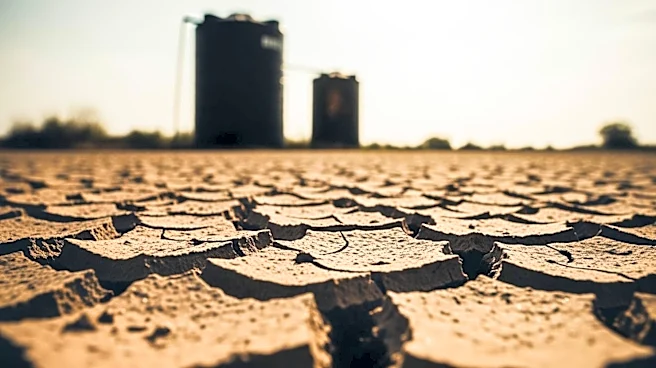
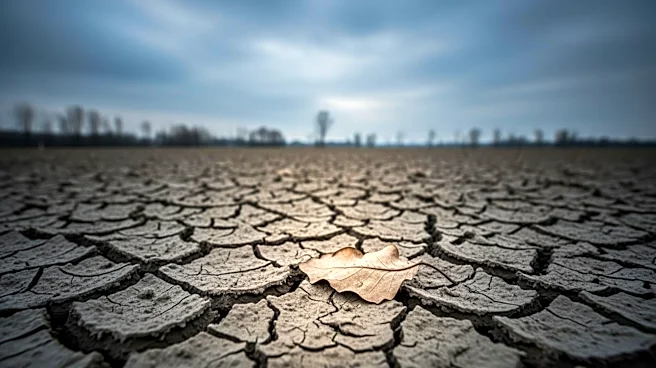
to a 'monsoon pause' just as the crucial kharif sowing season begins. This development is compounded by the onset of El Niño, which could evolve into a 'super' El Niño event, further impacting rainfall patterns. The Indian summer monsoon contributes nearly 82% of the country's annual rainfall, and any deviation can severely disrupt agriculture, damage rural livelihoods, and slow economic growth. The IMD has projected a below-normal monsoon at 90% of the long-period average, prompting the government to monitor 150-200 vulnerable districts closely.
Why It's Important?
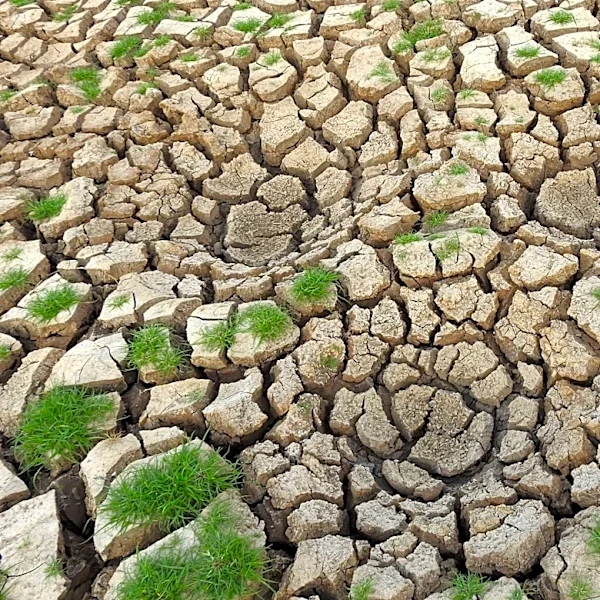
The weakening of the monsoon poses a significant threat to India's food security and economic stability. Agriculture is a critical sector in India, employing a large portion of the population and contributing substantially to the GDP. A deficient monsoon can lead to reduced crop yields, increased food prices, and economic distress in rural areas. The situation is exacerbated by the ongoing depletion of groundwater reserves, which are being used faster than they can be replenished. This 'water bankruptcy' could have long-term implications for India's agricultural sustainability and food security. The convergence of climate change and ecological challenges underscores the urgent need for policy interventions to address water management and agricultural practices.
What's Next?
India faces the challenge of adapting to a new climate reality where traditional monsoon patterns are no longer reliable. Policymakers may need to implement strategies to improve water conservation, enhance irrigation efficiency, and promote sustainable agricultural practices. The government might also consider investing in climate-resilient crops and technologies to mitigate the impact of erratic weather patterns. Additionally, international cooperation and knowledge exchange could play a role in developing solutions to manage water resources effectively. The response to this crisis will be crucial in determining the resilience of India's agricultural sector and its ability to ensure food security for its population.