








What's Happening?
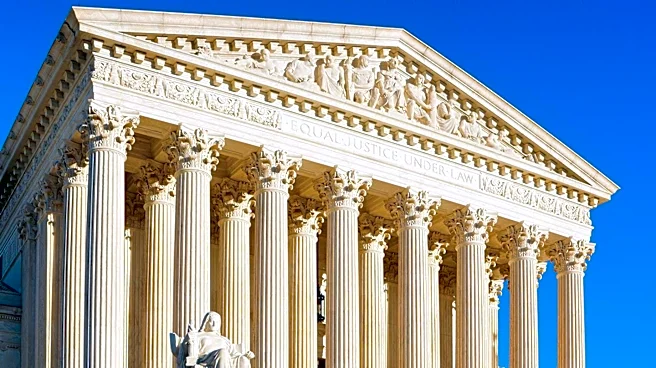
D. John Sauer, the top Supreme Court lawyer for President Trump's administration, has faced a series of significant defeats in court, yet maintains a strong allegiance to the President. Despite losing cases related to tariffs, the Federal Reserve, and
birthright citizenship, Sauer continues to echo President Trump's rhetoric in legal briefs and public statements. His approach has been characterized by a willingness to push far-reaching arguments, such as challenging the modern consensus on birthright citizenship. Sauer's tenure has seen him argue in front of the President and make notable changes to the office, including hiring additional political deputies and filing unsolicited briefs that align with conservative causes.
Why It's Important?
Sauer's actions and the administration's legal strategies have significant implications for U.S. public policy and the judiciary. His loyalty to President Trump, despite legal setbacks, highlights the administration's influence on the Supreme Court and its approach to contentious issues like immigration and federal power. The outcomes of these cases could affect millions, particularly in areas like birthright citizenship and immigration policy. Sauer's strategy on the emergency docket has expanded presidential power, impacting the balance of power between the executive branch and other government entities. His continued influence suggests potential shifts in legal precedents and the administration's priorities.
What's Next?
Sauer may soon face decisions on whether to pursue Supreme Court reviews of lower court rulings unfavorable to the administration. Cases involving Trump's executive orders and high-profile figures like former FBI Director James Comey are still pending. Additionally, Sauer has urged the Supreme Court to review a mandatory detention policy for noncitizens, which could have significant implications for the President's deportation agenda. These developments will be closely watched as they could further define the administration's legal legacy and influence future judicial decisions.