





What's Happening?
On October 30, 2026, U.S. Rep. Kevin Mullin (CA-15) introduced the Reliable Emergency Alert Delivery Integrity (READI) Act, federal legislation designed to improve the nation's emergency alert system. This initiative comes as the U.S. prepares for a significant
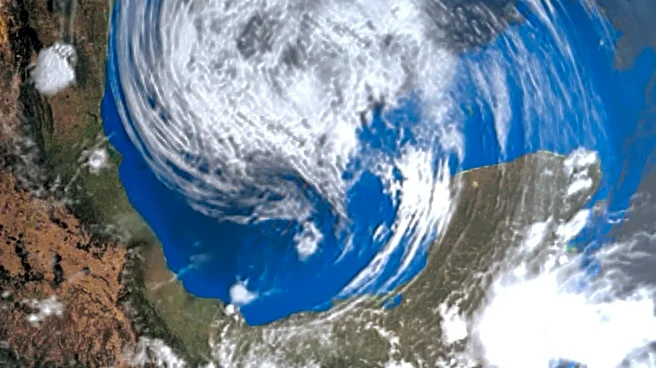
'Super' El Niño event, with California facing flood risks that have prompted state and local officials to declare a state of emergency. The READI Act aims to direct the Federal Communications Commission (FCC) to enhance the performance of the Wireless Emergency Alerts (WEA) system, a crucial tool for public safety that sends geographically-targeted alerts to cellphones. Rep. Mullin announced the bill at a press conference in San Mateo County, emphasizing the need for timely and accurate information during crises. The legislation seeks to address identified flaws in the current WEA system, such as inaccurate geotargeting, delayed alerts, and a lack of multilingual options, which have eroded public trust and put communities at risk during past disasters.
Why It's Important?
The introduction of the READI Act is critical for national public safety, particularly in the face of increasing extreme weather events. The current WEA system has demonstrated significant shortcomings, as evidenced by incidents like the Los Angeles wildfires, where an evacuation warning intended for a small area inadvertently reached 10 million residents, causing widespread traffic and hindering first responders. Such failures not only compromise emergency response efforts but also diminish public confidence in the alert system, with over one in six Americans reportedly opting out of at least one type of emergency alert. The bill's focus on establishing performance metrics, assessing enhanced capabilities like precise geotargeting and multilingual alerts, and studying advanced translation technologies directly addresses these deficiencies. Improving the WEA system's speed, coverage, and accuracy is vital for ensuring that communities receive critical warnings effectively, potentially saving lives and property during natural disasters and other emergencies.
What's Next?
The READI Act will now proceed through the legislative process, requiring passage in both the House and Senate before it can be signed into law by the President. If enacted, the bill would mandate the FCC to implement specific improvements to the WEA system, including setting performance goals for speed, coverage, and geographic targeting. It would also require wireless providers to better label emergency alerts and inform users before they opt out. The FCC would be tasked with assessing enhanced capabilities and studying advanced translation technologies for multilingual alerts. The successful implementation of the READI Act could lead to a more robust and reliable national emergency alert system, better preparing communities for future crises. This legislative effort also signals a broader recognition within Congress of the need to modernize critical infrastructure for disaster preparedness and response.
Beyond the Headlines
The READI Act highlights a deeper societal challenge: the increasing frequency and intensity of extreme weather events due to climate change, and the imperative for robust, adaptable public safety infrastructure. The bill's emphasis on multilingual alerts addresses a significant equity issue, recognizing that millions of individuals with limited English proficiency are disproportionately vulnerable during emergencies if warnings are not accessible in their native languages. This legislative push underscores the need for technological solutions that are inclusive and responsive to diverse populations. Furthermore, the erosion of public trust in emergency alerts, as noted by Rep. Mullin, points to a broader concern about misinformation and the reliability of official communications in a digital age. The READI Act, therefore, is not just about technical improvements but also about rebuilding public confidence in essential government services and ensuring equitable access to life-saving information.