






What's Happening?
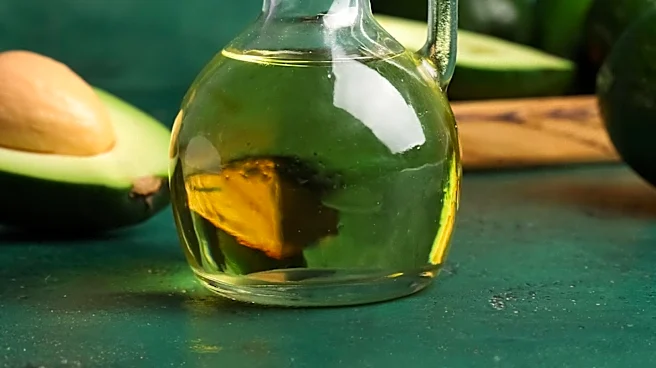
A recent report from UC Davis has uncovered significant issues with the authenticity of avocado oil products sold in the U.S. market. Researchers tested 74 commercial chips, mayonnaises, and salad dressings labeled as containing avocado oil or olive oil.
The findings indicated that 88% of the avocado oil products had results inconsistent with authentic avocado oil, suggesting dilution or substitution with cheaper, undisclosed oils. Specifically, 93% of avocado oil-labeled chips, 100% of dressings, and 71% of mayonnaises were found to be inconsistent. In contrast, olive oil-labeled products showed much higher consistency, with only one out of 20 products being inconsistent. The study noted that all tested products listed only one edible oil in their ingredient lists, despite the discrepancies, and many made bold claims like 'made with 100% avocado oil.' Professor Selina Wang, the lead author, suggests that adulteration likely originates with oil suppliers, and food companies could do more to verify authenticity.
Why It's Important?
This report has significant implications for U.S. consumers and the food industry. Consumers who are increasingly health-conscious and willing to pay a premium for products labeled with 'avocado oil' are not receiving what they expect, leading to potential financial deception and undermining trust in food labeling. For the food industry, the findings highlight a critical need for increased scrutiny and transparency in the supply chain, particularly for premium ingredients. Brands that market products with '100% avocado oil' claims face reputational risks and potential legal challenges if their products are found to be adulterated. This situation could lead to a shift in consumer purchasing habits, with a greater emphasis on verified authenticity and potentially a decline in demand for certain avocado oil products until trust is re-established.
What's Next?
Following the UC Davis report, there is likely to be increased pressure on food manufacturers and suppliers to implement more rigorous testing and verification processes for avocado oil. Regulatory bodies may also consider stricter guidelines for labeling and ingredient disclosure to protect consumers. Consumers might become more discerning, seeking out brands that can demonstrate the authenticity of their oils through third-party certifications or transparent sourcing. This could lead to a market where brands that prioritize and prove ingredient integrity gain a competitive advantage, while those failing to do so may face consumer backlash and reduced sales. The report also suggests a potential for similar studies on other premium oils, which could uncover further issues in the broader food market.
Beyond the Headlines
The widespread adulteration of avocado oil products reveals a deeper issue within the food supply chain: the economic incentive to substitute expensive ingredients with cheaper alternatives. This practice not only defrauds consumers but also raises questions about food safety and the nutritional integrity of products. The report underscores the challenge of maintaining transparency and accountability in a complex global supply chain, where adulteration can occur at various stages. It highlights the ethical responsibility of food companies to ensure the accuracy of their labels and the authenticity of their ingredients, especially when marketing health benefits. This situation could prompt a broader discussion about consumer protection, industry self-regulation, and the role of scientific research in safeguarding public trust in the food system.