




What's Happening?
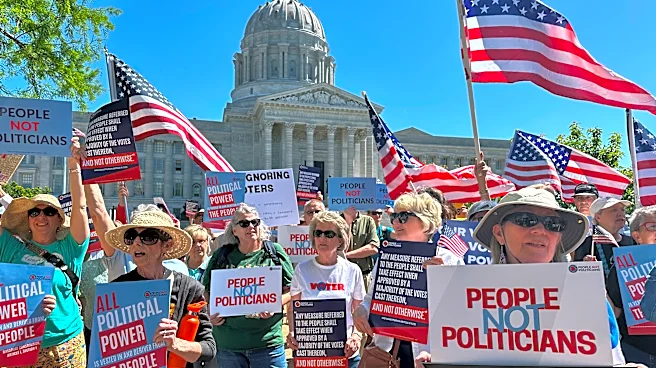
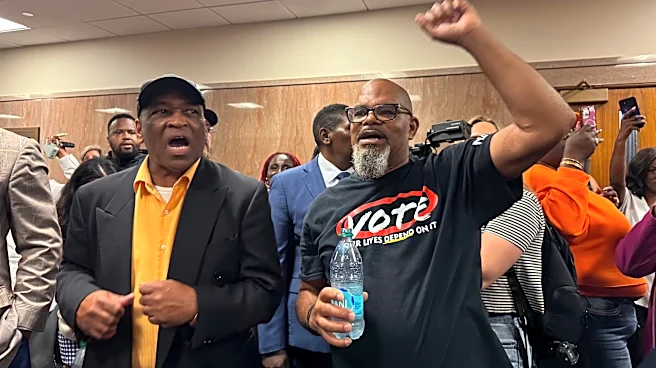
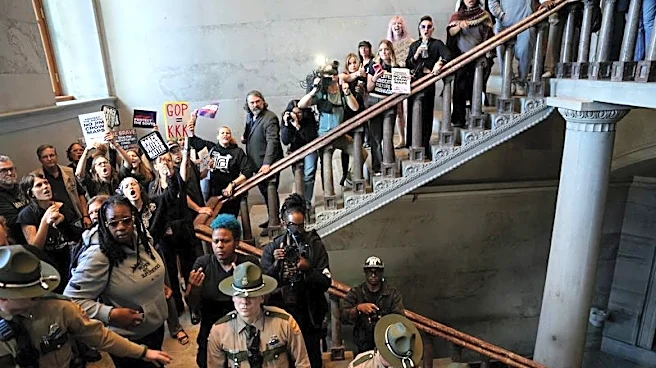
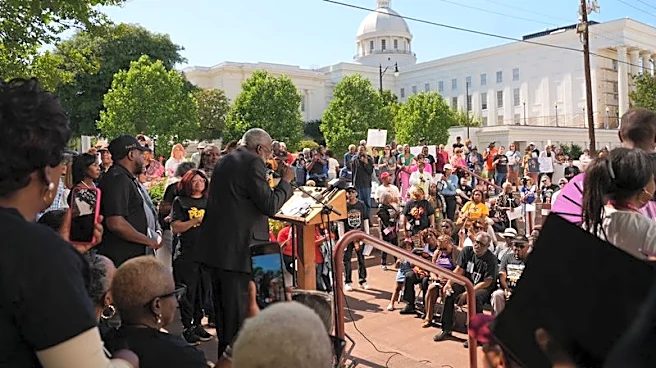
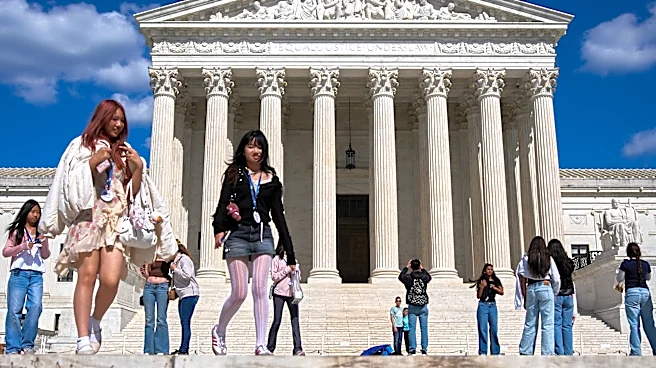
The U.S. Supreme Court recently ruled in the case of Louisiana v Callais, effectively dismantling the 1965 Voting Rights Act by deciding that states cannot consider race in redistricting. This decision has led to a swift response from Southern states,
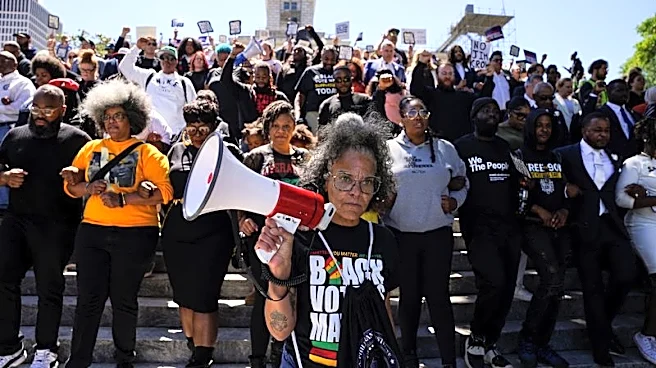
including Tennessee and Alabama, which have begun to eliminate majority Black districts. The ruling has created significant upheaval as these states prepare for the upcoming midterm elections. Stacey Abrams, a prominent voting rights activist and former Georgia House Minority Leader, has voiced strong opposition to the ruling. She argues that the decision fractures communities and undermines democratic participation. Despite the setback, Abrams emphasizes the importance of continued voter engagement to counteract the effects of the ruling.
Why It's Important?
The Supreme Court's decision has profound implications for voting rights and representation in the United States, particularly affecting minority communities. By removing the consideration of race in redistricting, the ruling could lead to a dilution of minority voting power, potentially impacting election outcomes and policy decisions. This shift may alter the political landscape in Southern states, where racial demographics have historically played a crucial role in districting. The decision also raises concerns about the protection of minority rights and the integrity of the democratic process. Stakeholders, including civil rights organizations and political leaders, are likely to challenge the ruling and advocate for legislative measures to restore protections for minority voters.
What's Next?
In response to the Supreme Court's ruling, there may be increased efforts to mobilize voters and challenge the redistricting changes through legal and legislative means. Civil rights groups and political leaders are expected to push for new laws or amendments to protect voting rights and ensure fair representation. The upcoming midterm elections will serve as a critical test of the ruling's impact, potentially influencing future legal and political strategies. Additionally, the decision may prompt further debates and discussions on the role of race in electoral processes and the need for comprehensive voting rights reform.