





What's Happening?
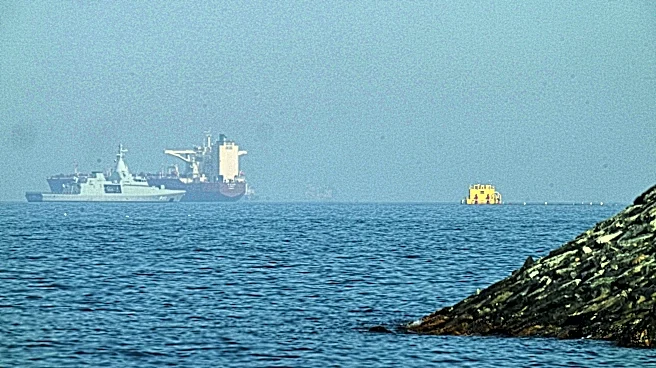
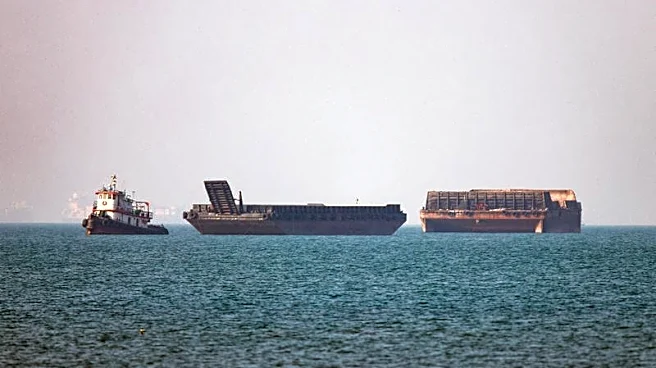
Negotiators are working on a 14-point framework for peace talks between the US and Iran, focusing on nuclear issues and economic incentives. The proposed agreement includes Iran halting uranium enrichment, easing US sanctions, and reopening the Strait
of Hormuz. Talks are mediated by Pakistan, with the US represented by envoys Jared Kushner and Steve Witkoff. Major sticking points include the duration of enrichment restrictions and the handling of Iran's enriched uranium stockpile. The US demands a long-term moratorium on enrichment, while Iran seeks a shorter-term agreement.
Why It's Important?
The potential agreement could ease tensions in the Middle East and stabilize global oil markets by reopening the Strait of Hormuz, a critical shipping route. The framework aims to prevent Iran from developing nuclear weapons, addressing a major security concern for the US and its allies. Economic incentives, such as sanctions relief and unfreezing assets, could help rebuild Iran's economy, which has been affected by the conflict. Successful negotiations could lead to improved US-Iran relations and a reduction in regional hostilities.
What's Next?
If the framework is accepted, negotiators will have 30 days to finalize the details. The outcome will depend on both sides' willingness to compromise on key issues, such as uranium enrichment and economic sanctions. The international community, including the UN, may play a role in facilitating the agreement and ensuring compliance. The success of the talks could set a precedent for future diplomatic efforts in the region.