
What's Happening?
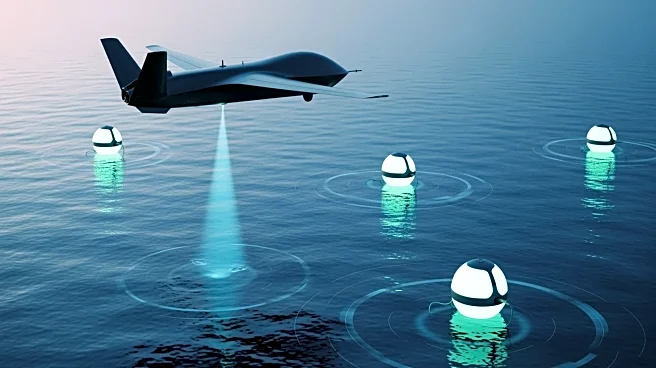
General Atomics Aeronautical Systems, Inc. (GA-ASI) and the U.S. Navy have expanded the Anti-Submarine Warfare (ASW) capabilities of the MQ-9B SeaGuardian Unmanned Aircraft System (UAS). A recent flight
test demonstrated the use of Sonobuoy Dispensing System (SDS) pods, doubling the number of sonobuoys available. This test included the deployment of Multi-static Active Coherent (MAC) technology, which enhances the detection of submarines over large areas. The flight tests, sponsored by the U.S. Navy, aim to certify the SDS for operational use.
Why It's Important?
The enhancement of the MQ-9B SeaGuardian's ASW capabilities is crucial for maritime security, providing the U.S. Navy with improved tools for submarine detection. The use of MAC technology allows for broader and more efficient coverage, reducing the number of sonobuoys needed. This advancement supports the U.S. Navy's strategic objectives in maintaining maritime dominance and ensuring the security of naval operations. The successful deployment of these technologies could lead to increased adoption of unmanned systems in naval warfare.
What's Next?
Following the completion of testing and data review, the U.S. Navy is expected to grant deployment flight clearance for ASW operations using the MQ-9B SeaGuardian. This clearance will enable the UAS to be used in various naval exercises and operations, enhancing the U.S. Navy's ASW capabilities. The continued development and integration of advanced technologies like MAC could further solidify the role of unmanned systems in future naval strategies.
Beyond the Headlines
The integration of advanced ASW technologies into unmanned systems like the MQ-9B SeaGuardian reflects a broader trend towards automation and increased reliance on technology in military operations. This shift could lead to changes in naval tactics and strategies, as well as the development of new doctrines for the use of unmanned systems in warfare. Additionally, the success of these technologies may influence other countries to invest in similar capabilities, potentially altering the balance of power in maritime security.