



What's Happening?
A bipartisan legislative effort, H.R. 10115, has been introduced to expand the Radiation Exposure Compensation Act (RECA) to include former workers and nearby residents affected by the Rocky Flats Nuclear Plant and other former nuclear sites across the country.
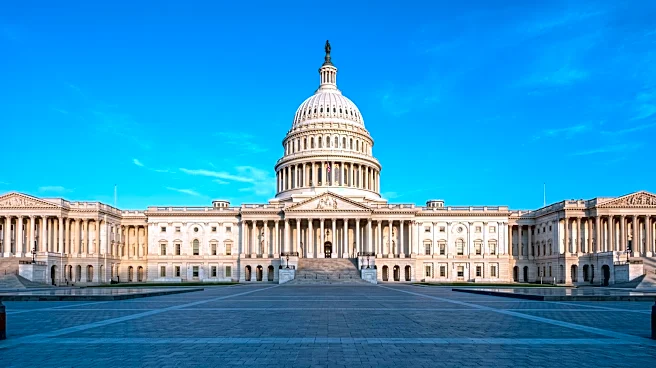
The bill, introduced on August 17, is sponsored by Congresswoman Brittany Pettersen (D-CO), Congressman Joe Neguse (D-CO), and Congressman James Moylan (R-Guam), among others. If enacted, this legislation would create a pathway for individuals who suffered health issues due to their proximity or work at these sites to receive monetary compensation. The Rocky Flats Nuclear Plant, a former nuclear weapons facility, has been a source of concern for its environmental and health impacts on surrounding communities. The expansion of RECA aims to address the long-standing health issues faced by those exposed to radiation from these facilities, providing them with much-needed recognition and financial support.
Why It's Important?
This proposed expansion of RECA is critically important for several reasons. Firstly, it addresses a long-standing injustice for individuals who have suffered severe health consequences, including various cancers and other illnesses, due to their work or residence near nuclear weapons production sites like Rocky Flats. Many of these individuals have struggled for years to receive recognition and compensation for their ailments, often facing significant medical expenses and diminished quality of life. Secondly, the bipartisan nature of the bill underscores a broad consensus on the need to support these affected communities, transcending typical political divides. This could facilitate its passage and implementation. Thirdly, by including additional sites, the legislation acknowledges the widespread impact of Cold War-era nuclear activities on various communities across the U.S., setting a precedent for broader accountability and support for those affected by government-led nuclear programs. The compensation would provide financial relief and validation for the suffering endured by these individuals and their families, recognizing their sacrifices for national security.
What's Next?
The proposed legislation, H.R. 10115, will now proceed through the congressional process. This will involve committee hearings, potential amendments, and votes in both the House of Representatives and the Senate. Given its bipartisan sponsorship, the bill may have a stronger chance of advancing, but its passage is not guaranteed and could face challenges related to funding or scope. Advocates for the expansion of RECA, including affected communities and their representatives, will likely continue to lobby for its swift enactment. If passed, the bill would establish new criteria and processes for former workers and residents of the newly included sites to file claims for compensation. This would necessitate the development of administrative procedures to handle these claims, including medical evaluations and documentation requirements. The successful implementation of this expansion would provide a critical safety net for those who have been historically overlooked, offering them a measure of justice and support for their health struggles.
Beyond the Headlines
The expansion of RECA carries profound ethical and societal implications. It represents a societal acknowledgment of the hidden costs of national security initiatives, particularly those related to nuclear weapons development. For decades, many individuals and communities bore the brunt of environmental contamination and health risks without adequate recognition or recourse. This legislation, if enacted, would not only provide financial compensation but also offer a form of moral restitution, validating the experiences and suffering of those affected. It highlights the ongoing challenge of balancing national interests with individual well-being and the long-term consequences of industrial activities. Furthermore, the bill could serve as a model for addressing similar historical injustices related to environmental and health impacts from other government or industrial projects. It also underscores the importance of robust public health monitoring and environmental safeguards in future large-scale projects, ensuring that the lessons learned from sites like Rocky Flats are not forgotten. The legislation's success could also empower other communities facing similar challenges to advocate for their own recognition and support.