






What's Happening?
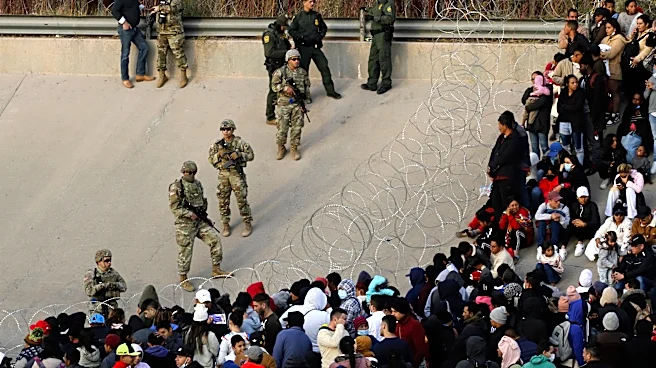
The U.S. State Department announced on Thursday, October 29, 2026, that it has imposed visa restrictions on more than 15 individuals involved in organizing, facilitating, or promoting recent migrant caravans. This measure targets those who knowingly recruit,
coordinate, and direct large groups of immigrants traveling towards the U.S. southern border. The statement, issued by spokesman Thomas Pigott, did not disclose the names or nationalities of the individuals affected, nor did it specifically mention El Salvador. However, Salvadoran news outlets, such as elsalvador.com, reported on the development, and the news agency EFE previously noted the presence of Salvadorans in a caravan crossing Mexico in early October. The U.S. government has warned that it will not tolerate actions that undermine its national security or immigration laws. Furthermore, caravan participants who apply for U.S. visas or attempt to travel to the United States will face additional scrutiny, which may include visa refusal or revocation. The State Department reiterated that unauthorized border crossings are illegal and can lead to arrest, detention, deportation, and future entry bans.
Why It's Important?
This action by the U.S. government signifies a strategic shift in its approach to managing irregular migration, moving beyond border enforcement to target the organizers and facilitators of migrant caravans. By imposing visa penalties, the U.S. aims to disrupt the logistical and financial networks that enable these large-scale movements, thereby reducing pressure at the southern border. This policy could have significant implications for individuals and groups in Central American countries, including El Salvador, who are involved in such activities. It sends a clear message that the U.S. is willing to use diplomatic and immigration tools to deter actions perceived as undermining its immigration system. For potential migrants, the increased scrutiny on visa applications and the risks associated with unauthorized crossings may serve as a deterrent. The measure also underscores the U.S.'s commitment to enforcing its immigration laws and protecting its national security interests, potentially influencing the dynamics of migration flows from Central America.
What's Next?
The immediate consequence of these visa restrictions will be the inability of the identified individuals to enter the United States. The U.S. government is likely to continue monitoring and identifying other individuals involved in organizing migrant caravans, potentially leading to further visa restrictions. Central American governments, including El Salvador, may face increased pressure to cooperate with U.S. efforts to curb irregular migration and address the root causes that drive it. The effectiveness of this measure in significantly reducing the number of migrant caravans remains to be seen, as the underlying socio-economic and security factors in migrants' home countries persist. Stakeholders such as human rights organizations may raise concerns about the transparency of the process and the potential impact on individuals' rights. The U.S. embassies in the region are expected to continue issuing warnings to potential migrants about the risks of irregular migration and the consequences of participating in caravans.
Beyond the Headlines
Beyond the immediate impact on caravan organizers, these visa restrictions highlight a broader trend in U.S. immigration policy: the externalization of border enforcement. By targeting individuals in their countries of origin or transit, the U.S. is effectively extending its immigration controls beyond its physical borders. This approach raises ethical questions about due process for those whose visas are restricted without public disclosure of their identities or specific charges. Legally, the U.S. has broad authority to grant or deny visas, but the lack of transparency can make it difficult to assess the fairness and consistency of such decisions. Culturally, this policy could further strain relations between the U.S. and some Central American nations, particularly if it is perceived as an overreach or an infringement on national sovereignty. In the long term, while such measures might temporarily disrupt migration flows, they do not address the fundamental drivers of migration, such as poverty, violence, and lack of opportunity, which will likely continue to fuel irregular movements.