







What's Happening?
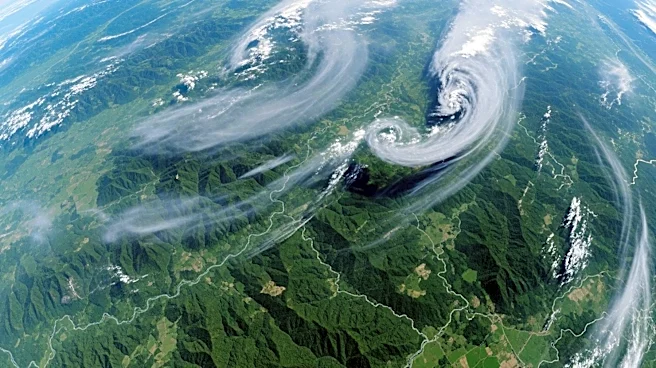
NASA's Terra satellite has captured images showing smoke shrouding Chiang Mai, Thailand, due to agricultural and forest fires. The smoke, primarily from biomass burning, has significantly affected air quality, with PM 2.5 levels recorded as 'unhealthy'
and 'very unhealthy.' This seasonal phenomenon peaks in March and April, exacerbated by the region's geography, which traps pollution in valleys. The haze has impacted tourism, with a reported 90% decrease in international travelers to popular destinations like Pai. Meteorologists have warned of continued dry conditions, increasing the risk of severe haze.
Why It's Important?
The smoke and resulting poor air quality have significant health implications, contributing to respiratory and cardiovascular diseases. The impact on tourism also affects the local economy, as fewer international visitors lead to reduced revenue for businesses reliant on tourism. The situation underscores the need for sustainable agricultural practices and effective environmental policies to mitigate air pollution. It also highlights the role of satellite technology in monitoring environmental changes and informing public health responses.
What's Next?
Meteorologists predict that dry conditions will persist, potentially worsening the haze situation. Authorities may need to implement stricter regulations on burning practices and explore alternative methods for managing agricultural waste. Increased international cooperation could be necessary to address transboundary haze issues. The tourism industry may need to adapt by promoting indoor attractions or alternative destinations less affected by air quality issues.