






What's Happening?
Tumang Bali Cooking Class, a family-run village cooking experience near Ubud, Bali, is leveraging Airbnb Experiences to reach a global audience. The class offers a comprehensive cultural immersion, including a morning market tour, a visit to rice terraces,
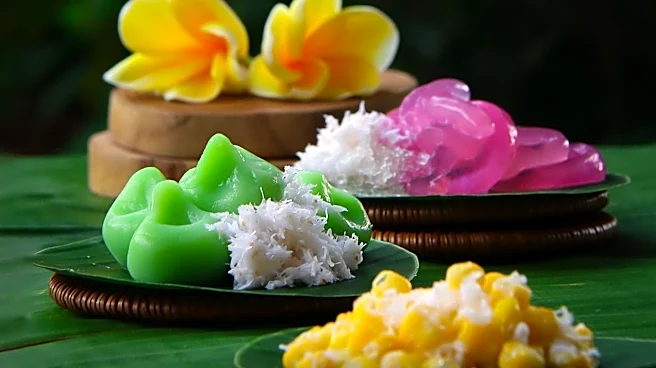
and hands-on instruction in preparing over 10 authentic Balinese dishes. The experience is designed for small groups, with a maximum of eight guests, ensuring a personalized and intimate setting. While the class can be booked directly through Tumang Bali's website or other platforms like GetYourGuide, TripAdvisor, and Viator, booking via Airbnb Experiences is presented as a convenient option for travelers already using the Airbnb app. The pricing on Airbnb and other online travel agencies may be slightly higher due to platform commissions, but the core experience, chefs, and inclusions remain identical. The class also offers vegetarian/vegan menu options upon request and provides Ubud-area pickup.
Why It's Important?
This development highlights the significant role that global platforms like Airbnb play in connecting local businesses, even those in international destinations, with a broad U.S. and international customer base. For U.S. travelers, it simplifies the process of discovering and booking authentic cultural experiences abroad, enhancing their travel itineraries with unique, locally-driven activities. This accessibility can boost tourism to regions like Ubud, Bali, from the U.S., contributing to the local economy and fostering cross-cultural understanding. For small businesses like Tumang Bali, leveraging Airbnb Experiences provides a powerful marketing and booking channel that might otherwise be inaccessible, allowing them to compete on a global scale. The transparency regarding pricing differences between direct bookings and platform bookings also educates consumers about the economics of online travel agencies, influencing their booking decisions and potentially encouraging direct engagement with local providers when possible.
What's Next?
The success of businesses like Tumang Bali in utilizing Airbnb Experiences suggests a continued trend of local operators worldwide integrating with major online travel platforms to expand their reach. We can expect more small, culturally-focused businesses to adopt similar strategies, leading to a wider array of unique experiences available to U.S. travelers globally. Airbnb may further refine its 'Experiences' platform to better support these local businesses, potentially offering more tools for marketing, customer service, and payment processing. There could also be an increased focus on curating experiences that align with specific traveler interests, such as sustainable tourism, wellness, or adventure travel. As the market for experiential travel grows, competition among local providers and platforms will likely intensify, driving innovation in how these cultural immersions are packaged and delivered to a global audience, including those from the U.S.
Beyond the Headlines
The phenomenon of local businesses in international locations leveraging platforms like Airbnb for global outreach has deeper implications for cultural exchange and economic development. It democratizes access to authentic cultural experiences, allowing travelers to move beyond generic tourist traps and engage directly with local traditions and people. This can foster a more nuanced understanding of different cultures among U.S. travelers. However, it also raises questions about the potential for cultural commodification and the impact of increased tourism on local communities and environments. Ensuring that these experiences are mutually beneficial, respectful of local customs, and sustainable in the long term is crucial. The platform's role in mediating these interactions means it bears a responsibility to promote ethical tourism practices and support local communities in preserving their cultural heritage while benefiting from global engagement.