
What's Happening?
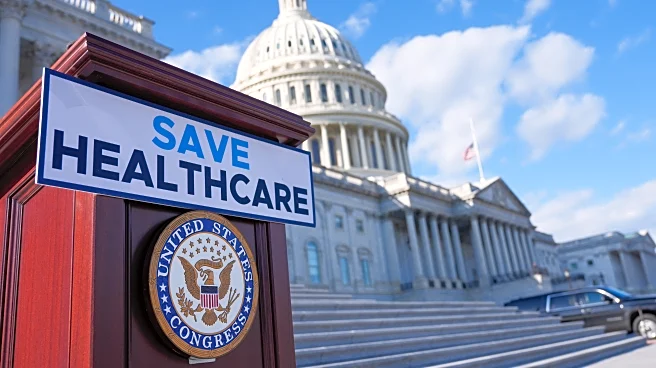
The enhanced Affordable Care Act (ACA) premium subsidies, which have been crucial in making health insurance affordable for millions of Americans, are set to expire at the end of the month. This expiration
is expected to result in a significant increase in premium payments for marketplace enrollees. According to the Kaiser Family Foundation, these premiums are projected to more than double on average, rising from $888 in 2025 to $1,904 in 2026, marking a 114% increase. The Congressional Budget Office estimates that up to 4 million people could lose their coverage entirely due to these changes. This development comes amidst ongoing political debates, with Congressional Republicans having promised a better alternative to the ACA but failing to present a concrete proposal over the past decade and a half.
Why It's Important?
The expiration of these subsidies is poised to have a profound impact on the U.S. healthcare system and its stakeholders. Millions of Americans who rely on these subsidies to afford health insurance may face financial strain or lose coverage altogether. This could lead to increased healthcare costs for individuals and potentially higher rates of uninsured citizens, which can strain public health resources. Additionally, the ripple effects could extend to various sectors, including the legal industry, where domestic workers such as nannies, who support the productivity of professionals, may be unable to afford health insurance. This could disrupt the workforce and create challenges for employers who depend on these workers.
What's Next?
As the expiration date approaches, there is uncertainty about potential solutions or interventions that might mitigate the impact of these rising premiums. Some law firms are reportedly exploring ways to support their employees' domestic workers by closing the ACA subsidy gap, though details remain unconfirmed. The broader political landscape may also see renewed debates and legislative efforts to address the healthcare affordability crisis. Stakeholders, including political leaders and industry groups, may need to collaborate to find sustainable solutions to prevent widespread loss of coverage and financial hardship for millions of Americans.