








What's Happening?
The Financial Action Task Force (FATF) has issued a warning regarding the increasing use of decentralized finance (DeFi) by fraudsters, ransomware operators, and money laundering networks. According to a recent report, 93% of the 143 jurisdictions surveyed
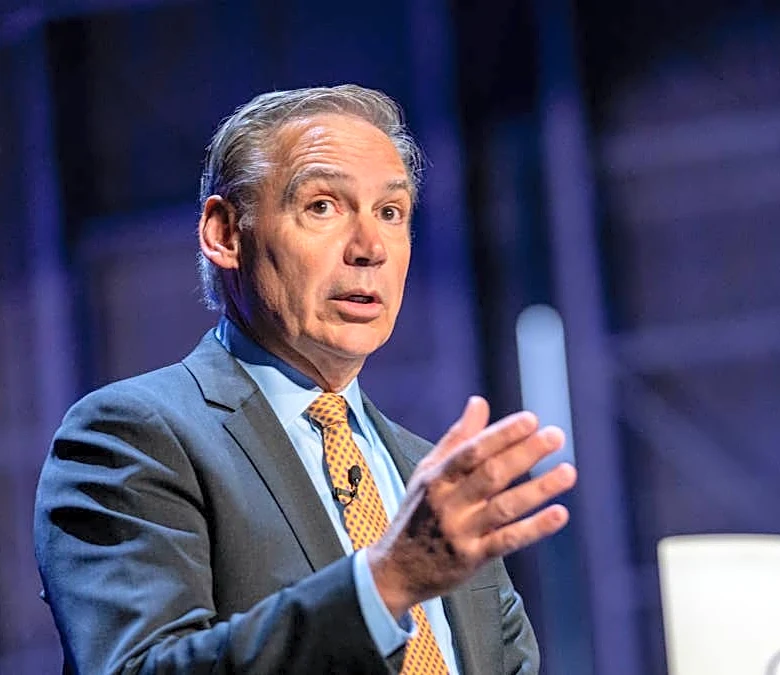
have not implemented FATF's anti-money laundering standards for DeFi. The report highlights vulnerabilities in the DeFi sector, such as permissionless access and limited user identification, which make it susceptible to criminal exploitation. Notably, two cyberattacks attributed to North Korea in April 2026 accounted for 76% of virtual asset hacking losses this year, totaling over $570 million. FATF President Giles Thomson emphasized the need to prevent the misuse of emerging technologies while supporting their legitimate use.
Why It's Important?
The FATF's warning underscores the growing concern over the misuse of DeFi platforms for illicit activities, which poses significant challenges to global financial security. The lack of regulatory compliance in most jurisdictions could lead to increased financial crimes, affecting investors and financial institutions worldwide. The report's findings highlight the urgent need for countries, especially those with significant DeFi activity like North America and Europe, to enhance regulatory oversight and cooperation with law enforcement. Failure to address these vulnerabilities could undermine the integrity of the financial system and hinder the adoption of innovative financial technologies.
What's Next?
FATF urges jurisdictions with substantial DeFi activity to strengthen oversight and expand cooperation with law enforcement and the private sector. This includes focusing regulatory efforts on the largest and most systemically important DeFi protocols. Financial institutions and virtual asset service providers are encouraged to apply customer due diligence and other anti-money laundering requirements. The report suggests that without significant regulatory improvements, the DeFi sector may continue to be exploited by criminals, potentially leading to stricter regulations and enforcement actions in the future.