


What's Happening?
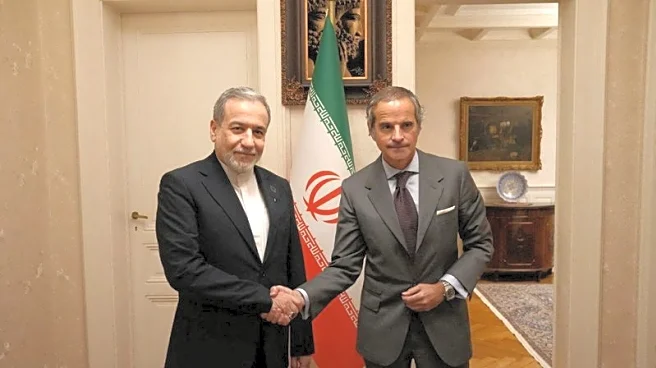
High-stakes talks between the U.S. and Iran, as well as Ukraine and Russia, are underway in Geneva. The discussions between Kyiv and Moscow are part of U.S.-brokered negotiations as Russia's invasion of Ukraine approaches its fourth year. While no concrete
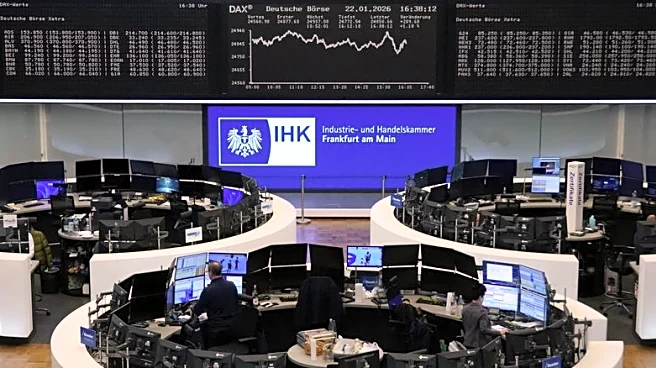
agreements have been reported, Iranian Foreign Minister Abbas Araghchi indicated progress in U.S.-Iran talks, with a general understanding on guiding principles reached. This development has eased fears of immediate conflict, reflected in a decrease in oil futures. Meanwhile, U.S. stock futures saw slight gains, led by the Nasdaq, despite ongoing concerns about the impact of artificial intelligence on the software sector.
Why It's Important?
The progress in U.S.-Iran talks could have significant implications for regional stability and global oil markets, as easing tensions may lead to changes in oil supply dynamics. The ongoing Ukraine-Russia negotiations are crucial for European security and could influence international diplomatic relations. The geopolitical developments are closely watched by investors, as they have the potential to impact global markets and economic policies. The talks also highlight the complex interplay between geopolitical tensions and economic interests, with potential consequences for international trade and investment.
What's Next?
The outcome of the U.S.-Iran and Ukraine-Russia talks will be pivotal in shaping future diplomatic and economic relations. Any agreements or lack thereof could influence global oil prices and market stability. Investors and policymakers will be monitoring the situation closely, as further developments could lead to shifts in international alliances and economic strategies. The talks' progress may also affect future negotiations on related geopolitical issues, potentially setting precedents for conflict resolution and international cooperation.