



What's Happening?
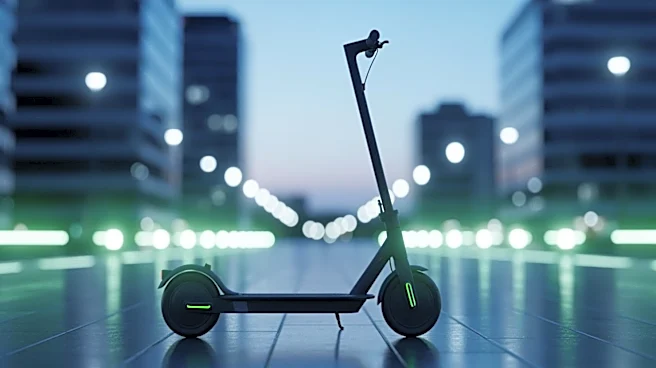
Taipei, the capital of Taiwan, is undergoing a significant transformation in its urban mobility landscape by transitioning from traditional internal combustion engine scooters to electric scooters. This shift is driven by government subsidies, infrastructure
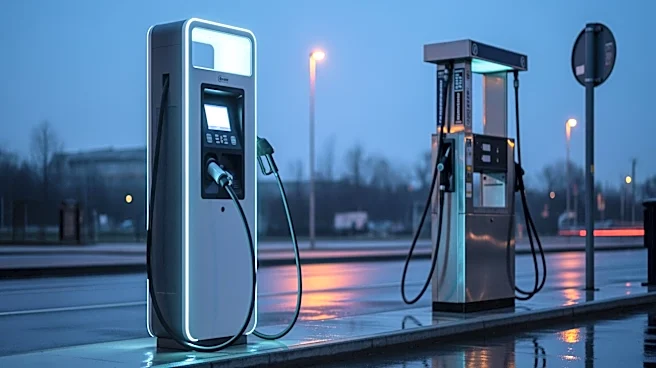
development, and a competitive market of manufacturers. As of early 2026, the transition is expected to be in full swing, marking a pivotal moment in the market. Despite the dominance of internal combustion engines, with electric scooters making up only about 8% of the total fleet, the market is experiencing a gradual shift. The electric scooter market in Taiwan is projected to grow significantly, with a compound annual growth rate of 11.4% through the end of the decade. This growth is supported by the rise of local players like Gogoro, which has established a robust battery-swapping network, and other manufacturers like Kymco and Sym, who are also expanding their electric offerings.
Why It's Important?
The transition to electric scooters in Taipei is significant for several reasons. It represents a broader shift towards sustainable urban transportation, reducing reliance on fossil fuels and decreasing air pollution in densely populated areas. This move aligns with global trends towards electrification and could serve as a model for other cities facing similar challenges. The economic implications are also notable, as the growth of the electric scooter market could stimulate local industries and create new business opportunities. Additionally, the shift could influence public policy and infrastructure development, as governments may need to adapt to support the growing electric vehicle ecosystem. The success of this transition could also impact consumer behavior, encouraging more people to adopt electric vehicles and further accelerating the shift away from internal combustion engines.
What's Next?
As Taipei continues its transition to electric scooters, several developments are anticipated. The government is likely to maintain or even increase subsidies to encourage adoption, while infrastructure improvements, such as expanding the battery-swapping network, will be crucial to support the growing number of electric scooters. Manufacturers will continue to innovate, offering a wider range of electric models to meet diverse consumer needs. The market dynamics may also shift, with traditional manufacturers facing increased competition from new entrants and global alliances. Additionally, regulatory changes could further support the transition, such as allowing new types of electric vehicles on public roads. The success of Taipei's transition could influence other cities and countries to adopt similar strategies, potentially leading to a broader global shift towards electric mobility.