




What's Happening?
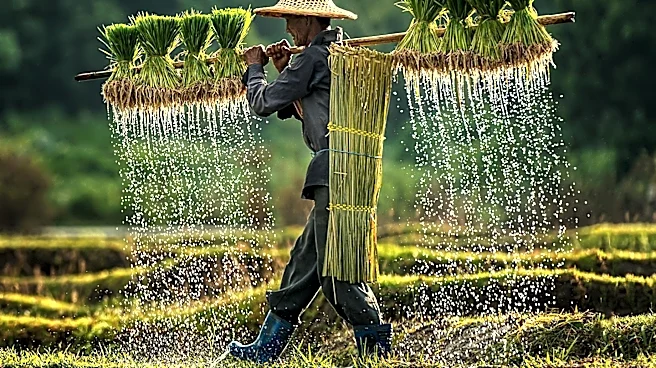
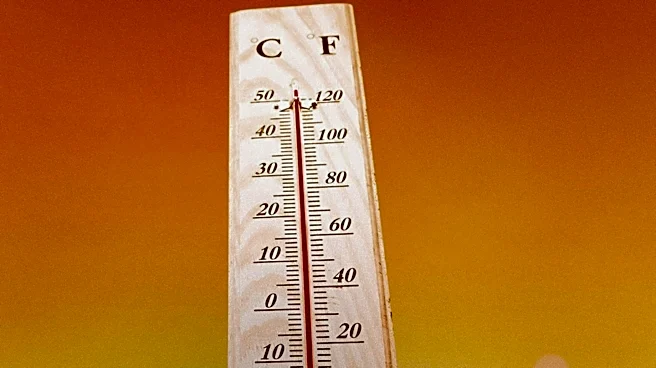
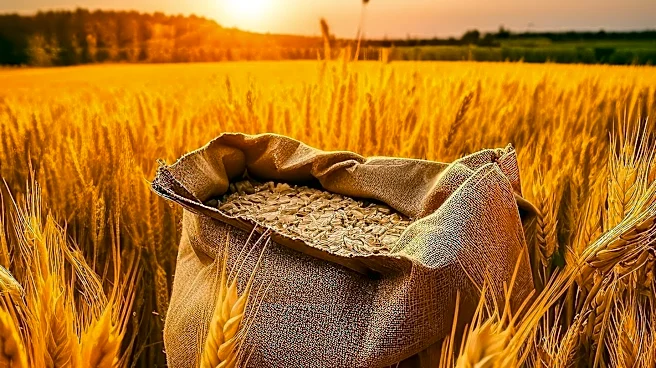
In response to a severe heatwave in Tokyo, Japanese farmers are adapting by planting more heat-resistant varieties of rice and experimenting with alternative crops such as avocados. The heatwave has led to significant health issues, with over 4,500 people
hospitalized and seven deaths reported across the country. Authorities have issued heatstroke alerts and urged residents to use air conditioning and stay hydrated. The heat has affected various sectors, including education and sports, with schools and sporting events adjusting their schedules to avoid the hottest parts of the day.
Why It's Important?
The adaptation of Japanese farmers to the heatwave by planting heat-resistant rice varieties highlights the growing impact of climate change on agriculture. This shift is crucial for maintaining food security and economic stability in the face of increasing temperatures. The health impacts of the heatwave, including hospitalizations and deaths, underscore the urgent need for effective public health strategies to mitigate the effects of extreme weather. The situation also emphasizes the importance of developing infrastructure and policies to support communities in adapting to climate change.
What's Next?
As the heatwave continues, Japanese authorities and communities may need to implement further measures to protect public health and ensure agricultural productivity. This could include investing in more resilient infrastructure, enhancing public awareness campaigns, and developing long-term strategies for climate adaptation. The success of these efforts could serve as a model for other regions facing similar challenges due to climate change.
Beyond the Headlines
The heatwave in Japan is a stark reminder of the broader implications of climate change, including the need for global cooperation in addressing environmental challenges. The situation highlights the importance of innovation in agriculture and public health to build resilience against future climate-related events. It also raises ethical questions about the responsibility of governments and industries to protect vulnerable populations from the impacts of climate change.