




What's Happening?
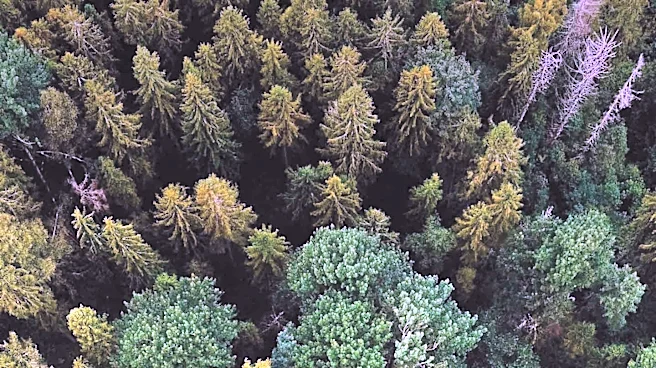
Duluth, Minnesota, has experienced a 4.5% reduction in its overall tree canopy coverage over the past decade, according to data from the Minnesota Department of Natural Resources’ (DNR) Community Tree Canopy Viewer. This decline is largely attributed
to the spread of the invasive emerald ash borer beetle, first detected in Minnesota in 2009, which has devastated ash tree populations. Rachel Morice, an urban and community forestry project specialist at the DNR, noted that this trend of canopy decline is prevalent across many cities surveyed in the state. Despite the decrease in overall canopy, Duluth saw a 2% increase in its street tree population between 2010 and 2020. City Forester Clark Christenson explained that while many mature ash trees with large crowns have been removed, the city has actively replanted with a more diverse array of species. The DNR tool combines aerial data from 2013 and 2023 for canopy coverage with on-the-ground counts of street trees from 2010 and 2020, covering over 300 communities.
Why It's Important?
The contrasting trends of declining tree canopy and increasing street tree populations highlight the significant ecological and urban planning challenges faced by U.S. cities due to invasive species and climate change. The loss of mature canopy trees can lead to increased urban heat island effects, reduced air quality, and diminished stormwater management capabilities, impacting public health and infrastructure. The proactive replanting efforts, particularly with a diverse range of species, are crucial for building urban forest resilience against future pests and diseases, as well as adapting to changing climate conditions. This shift in tree composition also affects local biodiversity and the aesthetic value of urban landscapes. The DNR's data tool provides valuable insights for urban planners and forestry departments to identify vulnerable areas and implement targeted strategies for maintaining and enhancing urban green infrastructure, which is vital for community well-being and environmental sustainability.
What's Next?
Moving forward, Duluth and other affected Minnesota cities will likely continue their efforts to diversify tree species in urban areas to mitigate the impact of future environmental threats. The young trees planted to replace removed ash trees will require significant time to mature and restore the lost canopy coverage, indicating a long-term commitment to urban forestry. The DNR's Community Tree Canopy Viewer will serve as a critical resource for ongoing monitoring and strategic planning, helping communities identify areas of significant canopy loss and guiding decisions on species selection for replanting. Collaboration between city forestry departments, state agencies, and local communities will be essential to ensure the success of these initiatives, potentially leading to public awareness campaigns about tree care and the importance of species diversity in urban environments. Further research into climate-resilient tree species suitable for the region is also anticipated.
Beyond the Headlines
The situation in Duluth underscores a broader national challenge regarding urban forestry management in the face of invasive species and climate change. The emerald ash borer's impact serves as a stark reminder of the ecological and economic vulnerabilities associated with monoculture planting practices in urban settings. The strategic shift towards species diversity reflects an evolving understanding of urban ecosystems, emphasizing resilience and adaptability. This also raises questions about the long-term funding and resources required for continuous urban forest maintenance, including pest management, tree removal, and replanting programs. Furthermore, the differing metrics of canopy coverage (entire city limits) versus street tree population (maintained areas near roads) highlight the complexity of assessing urban forest health and the need for comprehensive, multi-faceted approaches to urban green infrastructure planning that consider both ecological function and human interaction with green spaces.