






What's Happening?
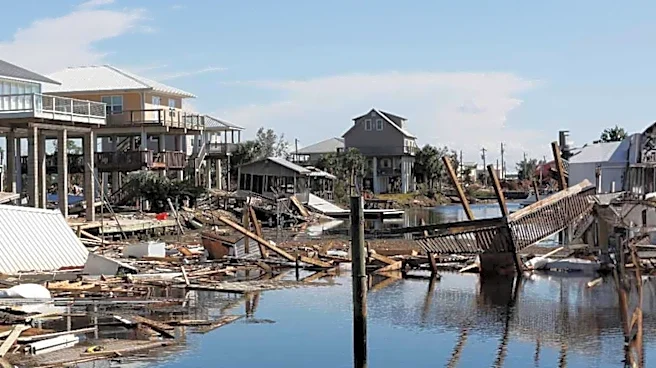
A severe heat wave in New Jersey is suspected to have caused at least 19 deaths as temperatures soared to record highs. The heat dome, which affected parts of the central and eastern United States, has now given way to severe thunderstorms, resulting
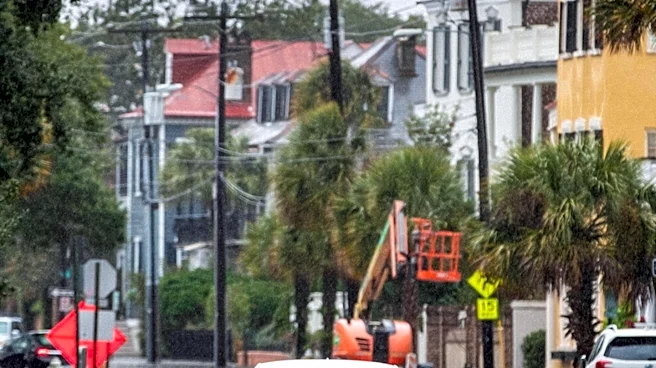
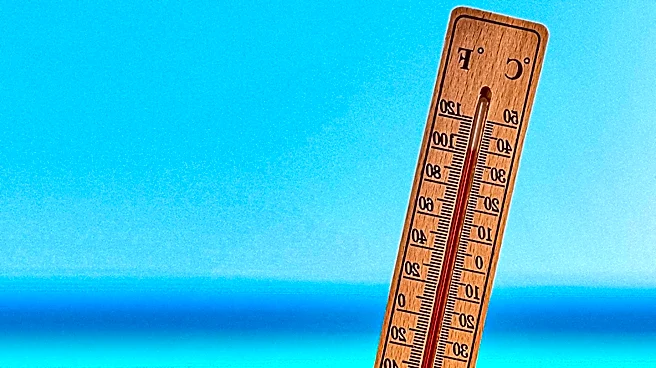
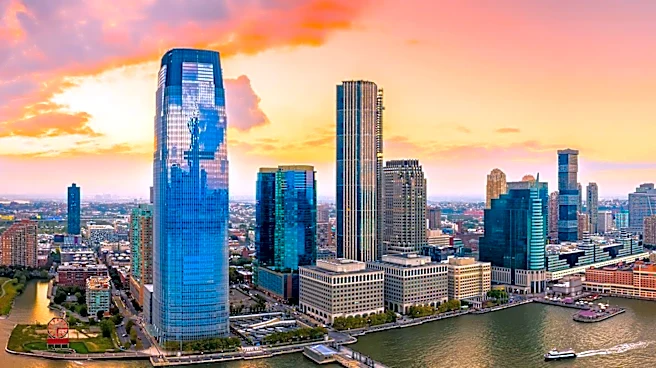
in power outages for nearly 1 million homes and businesses. New Jersey officials reported that the heat-related deaths began occurring as early as Thursday, with most victims found in homes lacking air conditioning. The state Health Commissioner, Dr. Raynard Washington, noted that some individuals were found outside, on the streets, or in parked cars. Governor Mikie Sherrill described the weather as the hottest in over 14 years, affecting people of all ages. Record temperatures were noted, with LaGuardia Airport in New York reaching 104 degrees Fahrenheit, and Atlantic City, New Jersey, hitting 106 degrees. The heat dome combined high temperatures with high moisture, creating dangerous conditions.
Why It's Important?
The extreme weather conditions highlight the vulnerability of infrastructure and public health systems to climate-related events. The heat wave and subsequent storms have disrupted daily life, causing significant power outages and impacting public safety. The situation underscores the need for improved emergency preparedness and infrastructure resilience to handle such extreme weather events. The deaths attributed to the heat wave also raise concerns about the adequacy of housing and access to cooling resources, particularly for vulnerable populations. The economic impact is notable, with businesses and households facing disruptions due to power outages and damage from storms.
What's Next?
As the heat wave subsides, attention will likely shift to recovery efforts and restoring power to affected areas. Utility companies are working to repair downed power lines and restore electricity to customers. There may be increased calls for policy measures to address climate change and improve infrastructure resilience. Public health officials may also focus on strategies to prevent heat-related illnesses and deaths in future heat waves. The severe weather could prompt discussions on urban planning and the need for more green spaces and cooling centers in cities.