








What's Happening?
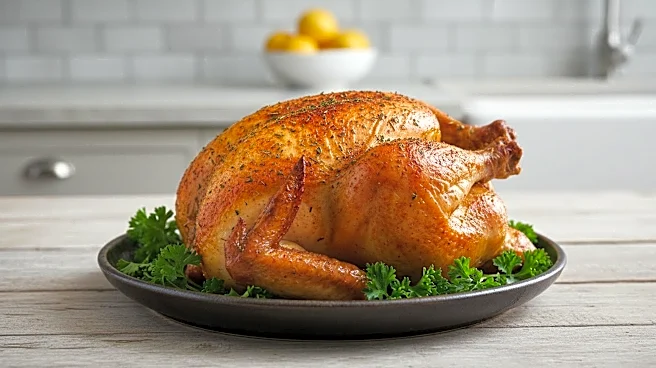
Consumer Reports has conducted an analysis of rotisserie chickens from ten grocery chains, ultimately naming Sam's Club as the provider of the best rotisserie chicken. The report highlighted Sam's Club's chicken for its moistness, juiciness, and flavorful
seasoning, which includes a paprika rub with hints of onion and garlic. This decision has sparked discussions among consumers, particularly on social media platforms like Reddit, where users have expressed their opinions on the taste and quality of different brands. The report also examined the nutritional content and potential health risks associated with these chickens, noting that while Sam's Club's chicken had higher sodium levels than Costco's, both were below the amounts listed on their nutrition facts. Additionally, the report identified the presence of bisphenols in packaging from several stores, despite claims of being BPA-free, and found concerning levels of the plastic compound DEHP in chickens from Costco and Walmart.
Why It's Important?
The findings from Consumer Reports are significant as they influence consumer perceptions and purchasing decisions regarding rotisserie chickens, a popular and convenient meal option. The report's emphasis on flavor and nutritional content, as well as the presence of potentially harmful plastic compounds, highlights the importance of transparency and safety in food packaging and preparation. For Costco, which has a strong following for its rotisserie chicken, the report's findings could impact its reputation and sales, especially given the ongoing lawsuit over claims of being 'preservative-free.' The presence of DEHP, a compound linked to cancer and birth defects, in Costco and Walmart chickens raises health concerns that could lead to increased scrutiny and regulatory action. This situation underscores the need for grocery chains to ensure the safety and quality of their products to maintain consumer trust.
What's Next?
In response to the report, grocery chains may need to reassess their food safety and packaging practices to address consumer concerns and regulatory standards. Costco, in particular, might face increased pressure to improve its product and address the lawsuit's claims. Consumers may become more vigilant about the ingredients and packaging of the foods they purchase, potentially leading to a shift in market dynamics as they seek healthier and safer options. Retailers could also see a rise in demand for transparency in labeling and sourcing, prompting them to adopt more stringent quality control measures. Additionally, the findings could prompt further investigations by consumer advocacy groups and regulatory bodies into the safety of food packaging materials.