




What's Happening?
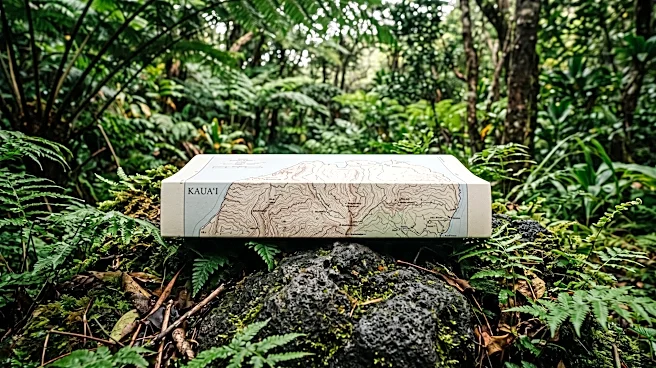
Governor Josh Green, M.D., announced the reopening of several public hunting units on Kauaʻi for game bird and game mammal seasons, effective Saturday, November 7, 2026. The Department of Land and Natural Resources Division of Forestry and Wildlife (DLNR
DOFAW) confirmed that designated game bird hunting units B, E1, E2, H, and I are now open. However, Units A and L will remain closed due to hazardous trees and road access concerns in Unit A, and ongoing negotiations regarding public hunting access for Unit L. Additionally, game mammal hunting units B, C, D, E1, E2, F, G, H, J, and K have reopened after recent closures. Units E1 and E2 are available for both game bird and game mammal hunting. Hunters intending to access Unit G are advised to consult the Division of State Parks for any current closures affecting the Kalalau Trail and park areas, and to adhere to all notices and access restrictions. DLNR DOFAW also urged hunters to exercise caution due to potential hazards from recent weather events, such as scattered debris, hanging or damaged trees, fallen branches, and unstable vegetation. Hunters are encouraged to check current hunting area information before entering the field and to report any significant hazards to DOFAW staff.
Why It's Important?
The reopening of these hunting units is significant for Hawaii's outdoor recreation community and local economy. It provides renewed opportunities for hunters, contributing to the cultural practice of hunting and supporting businesses that cater to outdoor enthusiasts, such as sporting goods stores and local accommodations. The careful management of these units by DLNR DOFAW also underscores the state's commitment to balancing recreational activities with environmental safety and conservation. By addressing hazards like damaged trees and road access issues, the state aims to ensure the safety of hunters while preserving the natural integrity of these public lands. The continued closure of Units A and L highlights ongoing challenges in land management, including safety concerns and access negotiations, which can impact public access to natural resources. This decision reflects the state's proactive approach to managing its natural resources, ensuring that public lands are safe and accessible for designated activities while also protecting ecological health.
What's Next?
Hunters are expected to adhere to all regulations and safety advisories issued by DLNR DOFAW. The department will likely continue to monitor conditions in the reopened units and provide updates as necessary, especially concerning any new hazards or changes in access. For Units A and L, the closures will remain in effect until the identified issues are resolved. This means Unit A will stay closed until hazardous trees are cleared and road access concerns are mitigated, while Unit L's reopening is contingent on successful negotiations regarding public hunting access. The Division of State Parks will continue to manage access to areas like the Kalalau Trail, which may affect hunters using Unit G. Future announcements from Governor Green's office or DLNR DOFAW will likely detail progress on these closed units and any further adjustments to hunting seasons or access protocols. The emphasis on hunter caution suggests ongoing vigilance from state agencies regarding environmental conditions.
Beyond the Headlines
This decision reflects a broader theme of natural resource management in Hawaii, where balancing public access, recreational demand, and environmental preservation is a continuous challenge. The specific issues leading to the closure of Units A and L—safety hazards and access negotiations—underscore the complexities involved in managing public lands. Hazardous trees, often a result of natural weather events, highlight the vulnerability of natural environments and the need for ongoing maintenance and risk assessment. Negotiations for public access, particularly in areas like Unit L, often involve diverse stakeholders, including private landowners, conservation groups, and recreational users, reflecting the intricate legal and social landscape of land use. The state's approach to reopening these units, while prioritizing safety and ongoing management, sets a precedent for how similar situations might be handled in the future, emphasizing a cautious and responsible stewardship of Hawaii's unique ecosystems and recreational opportunities.