



What's Happening?
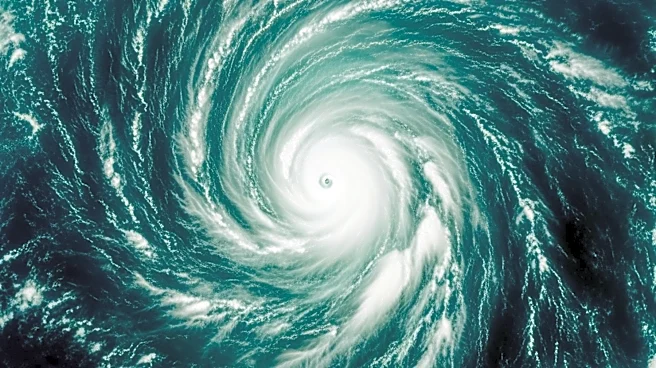
Tropical Storm Amanda has formed in the eastern Pacific Ocean, marking the first named storm of the 2026 hurricane season. The storm was observed on June 3, 2026, using data from the Visible Infrared Imaging Radiometer Suite (VIIRS) aboard the NOAA-20
platform. The formation of Amanda is attributed to ocean conditions influenced by a developing El Niño, which is expected to result in a busier than normal hurricane season in the eastern Pacific compared to the Atlantic basin. Historically, most tropical storms in this region remain over the ocean, but some do impact Hawaii, the west coast of Mexico, or the southwestern United States.
Why It's Important?
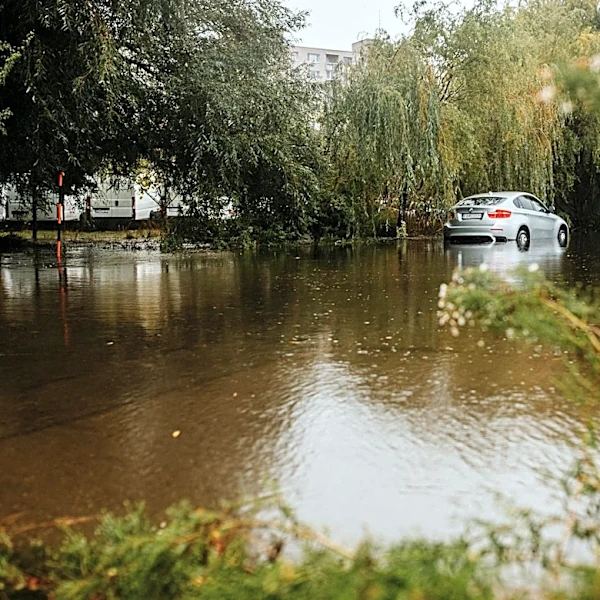
The formation of Tropical Storm Amanda highlights the potential for an active hurricane season in the eastern Pacific, which could have significant implications for regions prone to tropical storm impacts. The developing El Niño conditions suggest increased storm activity, which could lead to heightened risks for coastal areas in terms of flooding, property damage, and disruptions to local economies. Understanding and preparing for these potential impacts is crucial for mitigating risks to human life and infrastructure.
What's Next?
As the hurricane season progresses, monitoring of storm developments will be critical. Coastal regions in the potential path of these storms may need to prepare for possible landfall events. Emergency management agencies and local governments will likely increase readiness efforts, including public advisories and resource allocation to handle potential storm impacts. Continued observation and analysis of oceanic and atmospheric conditions will be essential to predict and respond to future storm formations.