
What's Happening?
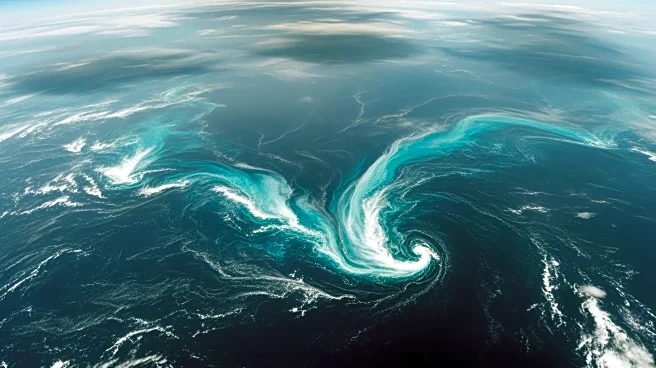
Hurricane Melissa, a Category 5 storm, struck Jamaica on October 28, 2025, causing significant destruction on land and leaving a unique mark at sea. Satellite images captured a vast area of the Caribbean
Sea tinted bright blue, a phenomenon attributed to the resuspension of carbonate sediments from the seafloor of Pedro Bank. This event is considered one of the most striking episodes of sediment resuspension recorded in the satellite era. The hurricane's powerful winds and waves lifted fine particles of calcium carbonate, altering the sea's color and providing scientists with valuable data on ocean dynamics. The storm caused extensive damage to homes and infrastructure in Jamaica, with thousands displaced and significant agricultural losses reported.
Why It's Important?
The event highlights the interconnectedness of oceanic and atmospheric systems, demonstrating how a single storm can impact marine environments and the global carbon cycle. The resuspension of carbonate sediments can lead to long-term carbon storage in deeper ocean layers, affecting global carbon dynamics. For Jamaica, the hurricane's impact on agriculture and infrastructure poses challenges for recovery and food security. The scientific community gains a rare opportunity to study ocean mixing processes and their implications for marine ecosystems. This data is crucial for understanding the effects of extreme weather events on ocean chemistry and for improving future climate models.
What's Next?
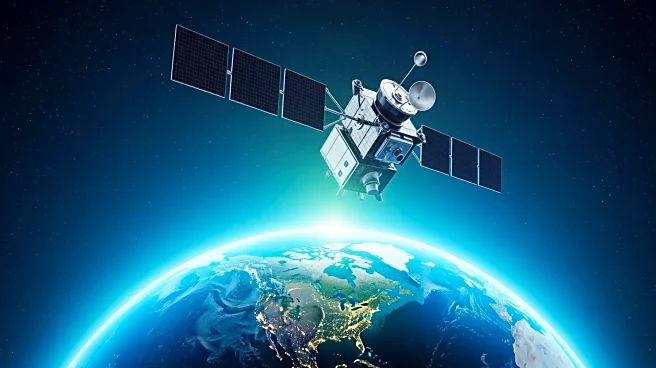
Recovery efforts in Jamaica will focus on rebuilding infrastructure, providing temporary shelter, and restoring essential services. The scientific community will continue to analyze satellite data to understand the long-term impacts on the marine ecosystem and carbon cycle. The PACE mission, launched in 2024, will enhance monitoring capabilities, providing more detailed insights into ocean color changes and sediment dynamics. These efforts will inform regional marine management and conservation strategies, ensuring sustainable use of marine resources and better preparedness for future storms.
Beyond the Headlines
The event underscores the dual reality of natural disasters: while they pose significant challenges for affected communities, they also offer unique opportunities for scientific discovery. The data collected from Hurricane Melissa will contribute to a deeper understanding of ocean-atmosphere interactions and their role in climate regulation. This knowledge is essential for developing strategies to mitigate the impacts of climate change and protect vulnerable coastal communities.