





What's Happening?
Riverside Cemetery in Denver, Colorado, is undergoing a significant landscape transformation project, funded by a grant from Denver Water. The cemetery, which lost its water rights and a supplemental irrigation agreement, has deteriorated over the years,
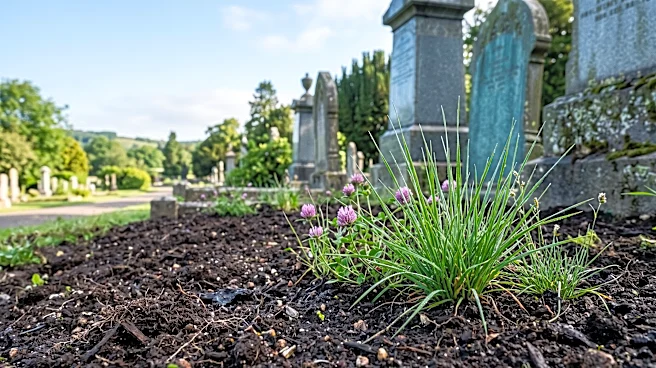
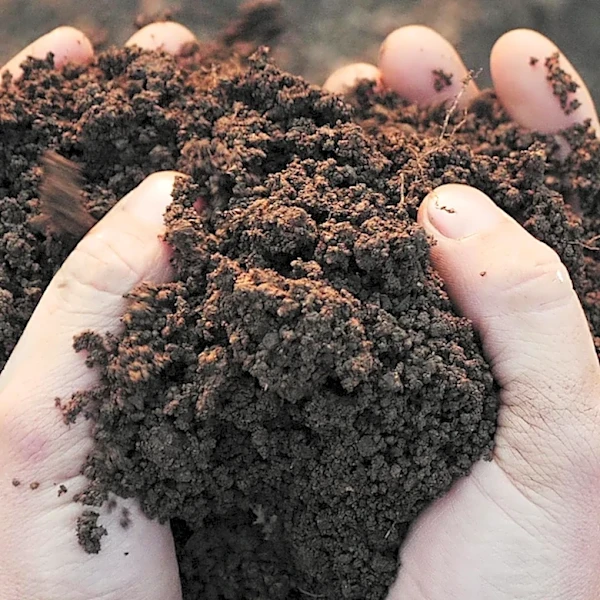
exacerbated by historic drought conditions and a Dutch Elm Disease outbreak. Fairmount Cemetery Company, which manages Riverside, hired Matrix Design Group to develop a plan to revitalize the cemetery's natural landscape without relying on irrigation. This initiative aims to convert the current patchy, dry grounds into a more vibrant space using native vegetation and sustainable landscape care. Test plots have already been established near the main building, experimenting with different soil amendments and seed mixtures to determine the most effective methods for growth without added water. The project is also restoring selected historic monuments and headstones.
Why It's Important?
This project is important as it represents a novel approach to landscape management in drought-prone regions, particularly for large public spaces like cemeteries. The collaboration between Denver Water and Fairmount Cemetery Company seeks to mend a long-standing complex relationship and establish a pathway for future partnerships in sustainable landscaping. The research conducted by Matrix Design Group at Riverside Cemetery will provide valuable insights applicable across the broader landscaping community, demonstrating how to create vibrant spaces without irrigation. This initiative could serve as a model for other historical sites and public lands facing similar water scarcity challenges, promoting ecological restoration and water conservation. The success of this project could influence future urban planning and environmental policies in Colorado and beyond, emphasizing resilience against climate change impacts.
What's Next?
The project is currently in its initial phase, with ongoing trials in test plots to identify the most successful methods for native vegetation growth without irrigation. The positive early results from areas without soil disturbance suggest a promising direction for expansion. Fairmount Cemetery Company is also planning to apply similar sustainable landscaping strategies to its larger Fairmount Cemetery, starting with older sections where active burials are no longer occurring. This proactive approach aims to prepare Fairmount for potential future changes in water availability, even though it currently uses a recycled water line. The public can visit Riverside Cemetery to observe the ongoing trials, and updates on the revitalization project will be available online. The findings from these projects are expected to inform future landscape transformation efforts in the region.
Beyond the Headlines
The Riverside Cemetery project highlights a deeper societal shift towards environmental consciousness and adaptation in the face of climate change. Beyond the immediate ecological benefits, this initiative touches upon the ethical responsibility of preserving historical sites while embracing sustainable practices. The transformation of a cemetery, a place traditionally associated with permanence and solemnity, into a living laboratory for ecological restoration, challenges conventional notions of land use. It also underscores the importance of inter-organizational collaboration—between a water utility, a cemetery management company, and an environmental design firm—to address complex environmental challenges. This project could foster a greater appreciation for native landscapes and their role in urban ecosystems, potentially influencing cultural perceptions of beauty and maintenance in public spaces.