




What's Happening?
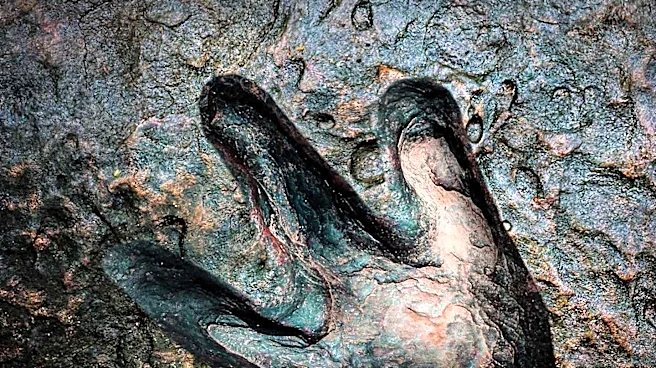
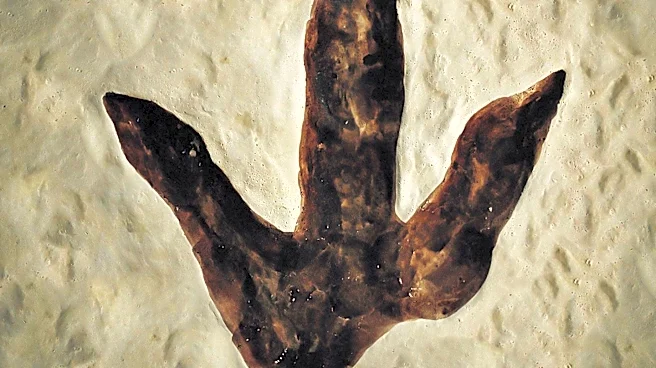
A multidisciplinary team of scientists has discovered at least 50 dinosaur footprints in Michoacán, Mexico, at the bottom of a stream near San Juan de los Platanos. Local residents alerted authorities to the find, prompting a detailed survey of the area
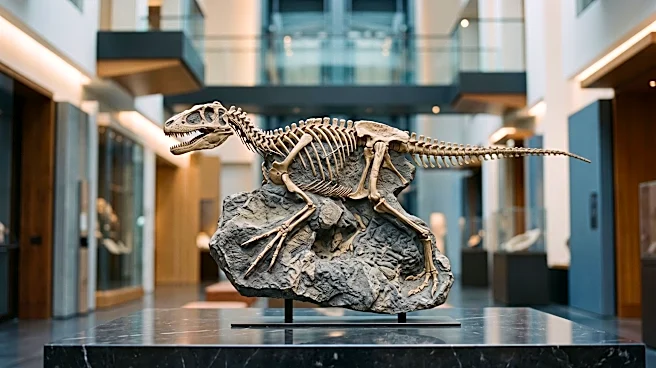
that began on October 21, 2026. The imprints, which range from 12 to 48 centimeters in length and up to 30 centimeters in width, suggest that multiple groups of dinosaurs traversed the territory. Preliminary analysis links the largest three-toed footprints to a large carnivorous theropod, possibly from the tyrannosaur family, estimated to have been about four meters tall. Other smaller imprints are thought to belong to raptor-like dinosaurs, including dromaeosaurs. Additionally, some footprints have been tentatively attributed to hadrosaurs, which are herbivorous duck-billed dinosaurs. These imprints date back approximately 65 million years, to the end of the Cretaceous period. Researchers are using photogrammetry to create 3D models and collecting rock samples to establish the geological context and study the animals' movement patterns. This site is the fourth known location for dinosaur footprints in Michoacán and adds to over 30 such sites registered across Mexico by INAH.
Why It's Important?
This discovery is significant for paleontological research, offering new insights into the dinosaur populations and ecosystems that existed in what is now Mexico during the Late Cretaceous period. The variety of footprint sizes and shapes indicates a diverse dinosaur community, including large carnivores, smaller raptors, and herbivores, providing a more complete picture of the food web and ecological interactions of the time. The potential identification of tyrannosaur footprints in this region could expand the known geographical range of these apex predators. Furthermore, the ongoing research, including 3D modeling and geological analysis, will contribute valuable data to understanding dinosaur locomotion, behavior, and the environmental conditions that attracted them to this specific area, such as ancient water bodies. The find also highlights the importance of local community involvement in scientific discoveries, as residents played a crucial role in reporting the footprints to scientists.
What's Next?
Further paleontological research is required to definitively classify the dinosaur species responsible for the footprints and to determine the final number of species present at the site. Scientists will continue to analyze the collected rock samples to establish the precise geological context of the find. The photogrammetry data will be used to create detailed three-dimensional models, which will aid in studying the movement patterns and gaits of these ancient animals. Researchers also believe that the footprints may extend beyond the currently surveyed 40-square-meter area, suggesting the potential for more discoveries as the investigation continues. The Mexican National Institute of Anthropology and History (INAH) will likely oversee subsequent excavations and studies, integrating this new data with findings from other dinosaur footprint sites across Mexico to build a broader understanding of prehistoric life in the region.
Beyond the Headlines
The discovery of these dinosaur footprints offers more than just scientific data; it provides a tangible link to a distant past, fostering public interest in paleontology and natural history. Such finds can inspire educational initiatives, encouraging younger generations to engage with science and conservation. Ethically, the preservation of these sites becomes paramount, requiring careful management to protect them from environmental degradation and unauthorized disturbance. Legally, the Mexican government, through institutions like INAH, will likely implement measures to safeguard the site as a national heritage asset. Culturally, these discoveries contribute to a deeper appreciation of Earth's ancient history and the evolutionary journey of life, reminding us of the planet's dynamic past and the vast timescales involved in geological and biological processes. The ongoing study of these footprints could also reveal subtle details about dinosaur social structures or hunting behaviors that are not easily discernible from skeletal remains alone.