

What's Happening?
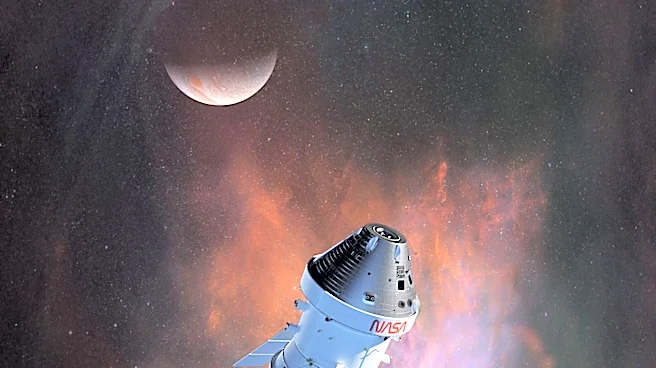
In 1973, NASA planned an ambitious mission to send three astronauts on a 396-day journey past Venus using modified Apollo hardware and a Saturn V rocket. This mission, part of the Apollo Applications Program, aimed to validate long-duration human spaceflight
and test life-support systems, serving as a precursor to future Mars missions. Despite detailed technical studies and mission planning, the mission was never realized due to shifting priorities and budget constraints. The Vietnam War and changing domestic spending priorities led to reduced funding for NASA, resulting in the cancellation of many post-Apollo projects.
Why It's Important?
The cancellation of the Venus mission highlights the challenges of sustaining ambitious space exploration programs amid shifting political and economic landscapes. The mission's objectives, such as testing long-duration spaceflight and life-support systems, remain relevant today as NASA and other space agencies plan for future missions to Mars and beyond. The historical context of this mission underscores the importance of stable funding and political support for advancing human space exploration. The lessons learned from this period continue to inform current and future space exploration strategies.