


What's Happening?
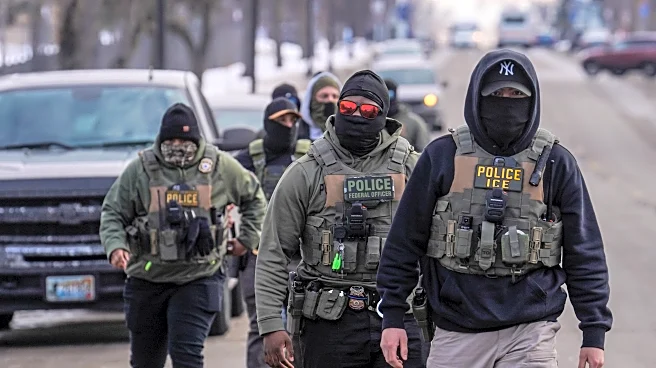
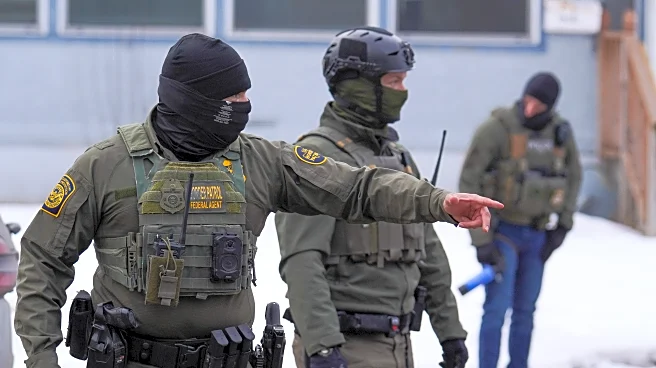
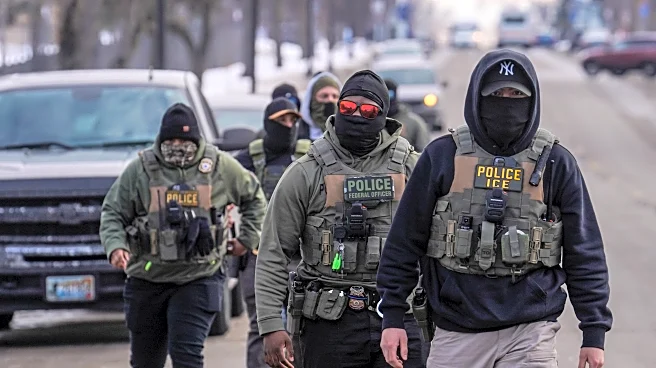
Deputy Attorney General Todd Blanche addressed concerns regarding the conduct of federal agents during immigration operations in an interview on NBC News' 'Meet the Press.' Blanche asserted that federal agents have been acting 'humanely' despite recent
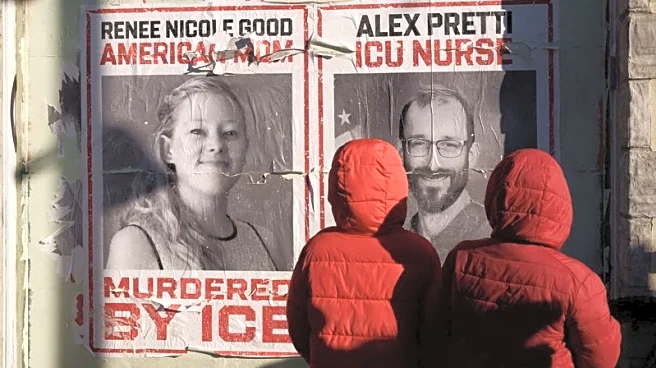
incidents that have drawn public criticism. These incidents include the pepper-spraying of protesters, the detention of a 5-year-old by ICE, and the removal of a U.S. citizen from his home in freezing conditions. Blanche emphasized the challenging nature of the agents' work, citing a lack of support from local law enforcement and state officials. His comments follow the controversial killings of two individuals, Alex Pretti and Renee Nicole Good, by federal agents, which have sparked protests and calls for accountability. Blanche defended the agents, stating that the incidents in question are isolated and do not reflect the overall conduct of federal operations.
Why It's Important?
The scrutiny of federal agents' actions during immigration operations highlights ongoing tensions between federal and local authorities, as well as public concerns over law enforcement practices. The incidents in Minneapolis, particularly the deaths of Alex Pretti and Renee Nicole Good, have intensified debates over the use of force and the accountability of federal agents. This situation underscores the broader national conversation about immigration enforcement and the balance between security and civil rights. The outcome of these discussions could influence public policy and law enforcement practices, potentially affecting how immigration laws are enforced across the country. Stakeholders, including civil rights groups and local governments, are likely to push for reforms to ensure greater oversight and accountability.
What's Next?
An investigation into the incidents involving Alex Pretti and Renee Nicole Good is underway, which may lead to further scrutiny of federal agents' conduct. The findings could prompt changes in how immigration operations are conducted, particularly in terms of collaboration with local law enforcement. Additionally, the public and advocacy groups may continue to demand transparency and accountability, potentially influencing legislative actions at both state and federal levels. The ongoing protests and public discourse may also pressure policymakers to address the broader issues of immigration enforcement and civil rights protections.