



What's Happening?
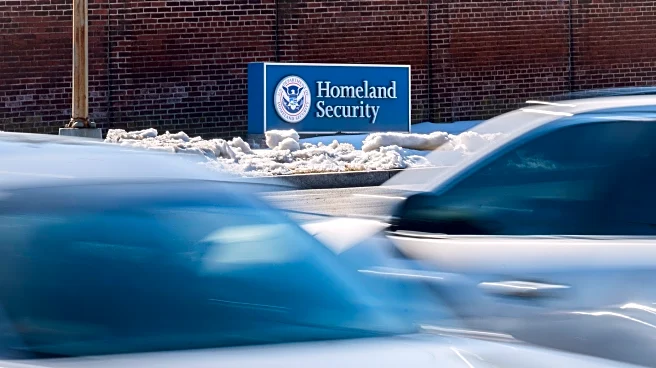
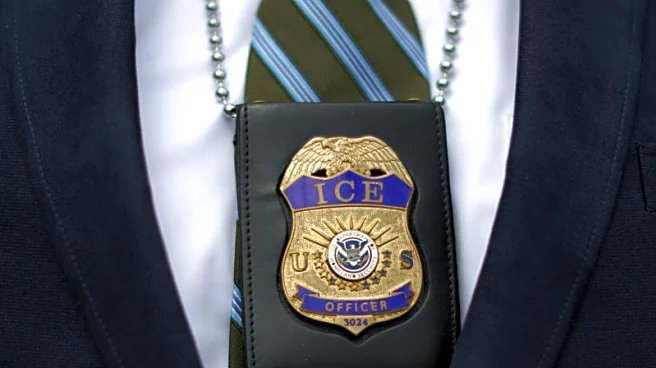
Minneapolis officials have reported that the federal immigration enforcement operation known as Metro Surge, initiated by the Trump administration, has cost the city at least $203 million. The operation, which involved a significant presence of Immigration
and Customs Enforcement (ICE) and Customs and Border Protection (CBP) agents, began in December 2025 and is now winding down. The city has experienced substantial financial impacts, including $47 million in lost wages and $81 million in revenue losses for restaurants and small businesses. Additionally, the operation has strained municipal services, with increased food insecurity affecting approximately 76,000 residents. The city has also incurred over $6 million in police overtime and operational costs. Minneapolis Mayor Jacob Frey and other city leaders are calling for state and federal relief to address these challenges.
Why It's Important?
The financial and social impacts of Operation Metro Surge highlight the significant strain that federal immigration enforcement can place on local communities. The operation has disrupted daily life and commerce in Minneapolis, affecting vulnerable populations and threatening core municipal services. The reported costs underscore the broader debate over immigration policy and enforcement practices in the U.S., particularly regarding the balance between national security and community stability. The situation in Minneapolis may serve as a case study for other cities facing similar federal operations, emphasizing the need for coordinated responses and support from higher levels of government.
What's Next?
As the operation winds down, Minneapolis officials are seeking additional state and federal assistance to stabilize the city's economy and support affected residents and businesses. The city council is considering further aid measures, including rent assistance and small-business support. Local foundations have also launched initiatives to provide financial relief to impacted businesses. The outcome of these efforts will be crucial in determining the city's recovery trajectory and may influence future policy discussions on immigration enforcement and community resilience.