


What's Happening?
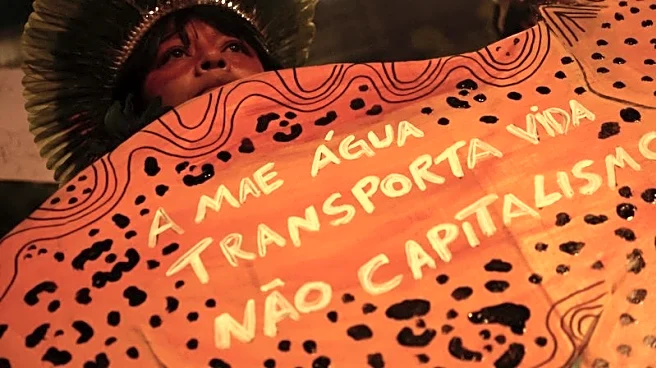
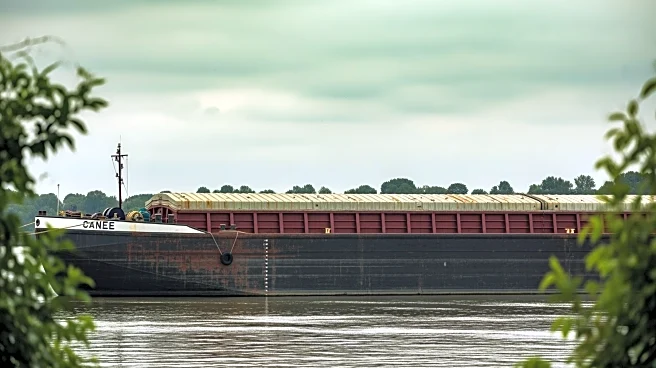
Indigenous protesters and environmental activists in Brazil have defaced a grain barge at Cargill's terminal in Santarém as part of their opposition to government projects they believe threaten the Amazonian rivers and rainforest. On February 19, approximately
400 activists intercepted the barge, inscribing messages such as 'The Tapajós River isn’t for sale' and 'Revoke the Decree of Death.' This action coincided with a Brazilian court's order to remove protesters who have been blocking the terminal. The activists, led by Amazon Watch, argue that the Tapajós River dredging project is part of a larger initiative to transform Amazonian rivers into industrial export corridors, which they claim exacerbates deforestation and biodiversity loss.
Why It's Important?
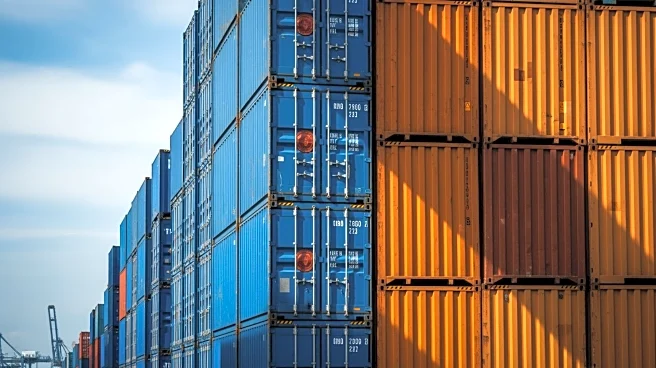
The protest highlights the ongoing conflict between economic development and environmental conservation in the Amazon. The dredging project is seen as a threat to the ecological integrity of the region, potentially accelerating deforestation and undermining Brazil's climate commitments. The controversy also underscores the tension between indigenous rights and government policies favoring agribusiness interests. As Brazil is a major soybean exporter, the outcome of this dispute could have significant implications for global agricultural markets and environmental policies. The situation reflects broader challenges in balancing economic growth with sustainable environmental practices.
What's Next?
The Brazilian government faces pressure to address the concerns of indigenous groups and environmentalists while pursuing its economic agenda. The court's order to remove protesters may lead to further legal and political battles. There is potential for increased international scrutiny and advocacy efforts aimed at protecting the Amazon. The government may need to engage in dialogue with stakeholders to find a compromise that addresses environmental concerns while supporting economic development. The outcome of this conflict could influence future infrastructure projects in the Amazon and set a precedent for how similar disputes are handled.