



What's Happening?
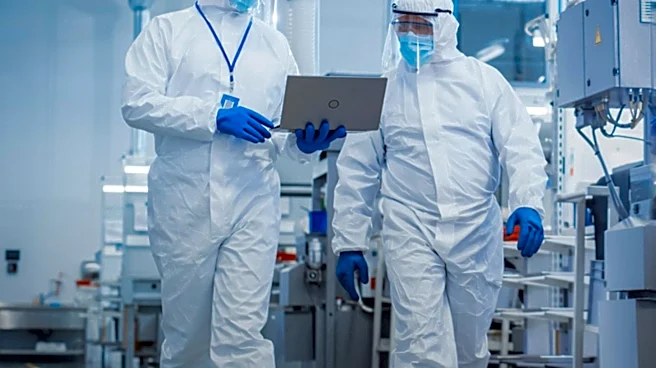
The Trump administration has intensified its scrutiny of federal scientists involved in virus research, leading to arrests and public criticism. Vincent Munster, a researcher at the National Institutes of Health, was charged with improperly bringing biological
specimens into the U.S. This action is part of a broader campaign against scientists accused of mishandling virus research, including allegations related to the origins of the COVID-19 pandemic. The administration's actions have been fueled by unproven theories suggesting that scientists' experiments have endangered public health. This has led to increased mistrust in scientific institutions, particularly the Rocky Mountain Laboratories in Montana, where Munster works. The situation has been exacerbated by conservative groups and social media influencers promoting conspiracy theories and anti-immigration sentiments.
Why It's Important?
The crackdown on scientists has significant implications for public health and scientific research in the U.S. The arrests and allegations could deter scientific inquiry and collaboration, particularly in critical areas like pandemic preparedness and response. The mistrust sown by these actions may undermine public confidence in scientific institutions and their ability to protect public health. Additionally, the reduction in research funding and support could hinder the U.S.'s ability to respond effectively to future pandemics, potentially leaving the country reliant on other nations, such as China, for vaccine development and other critical health measures.
What's Next?
The ongoing scrutiny of scientists and research institutions is likely to continue, with potential further legal actions and public debates. The scientific community may face challenges in securing funding and support for research, particularly in areas related to infectious diseases. Policymakers and public health officials will need to navigate the delicate balance between ensuring national security and supporting scientific innovation. The outcome of these developments could shape the future of U.S. public health policy and its global standing in scientific research.