

What's Happening?
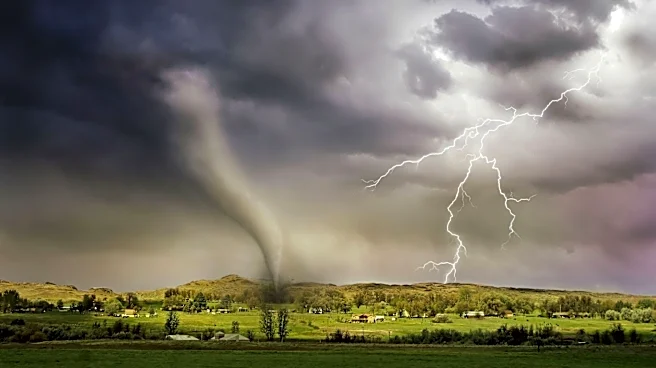
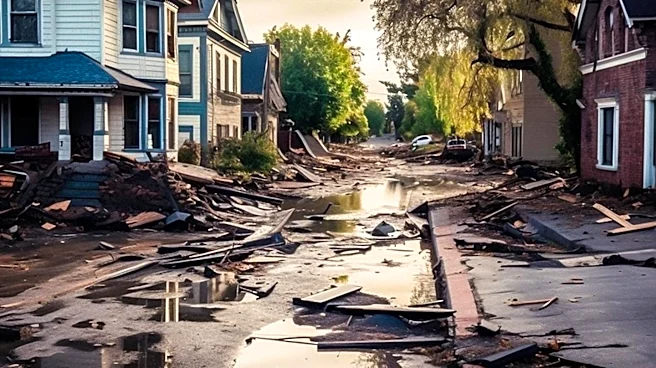
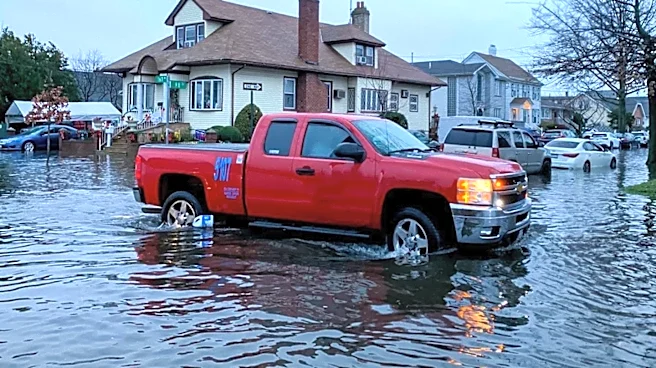
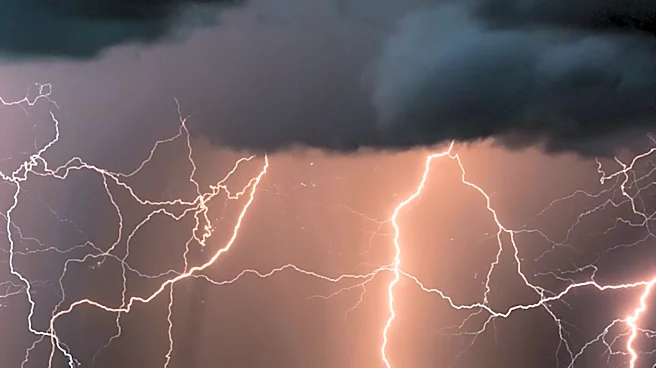
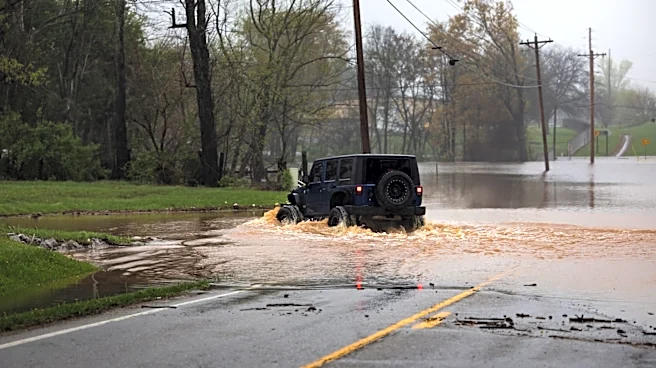
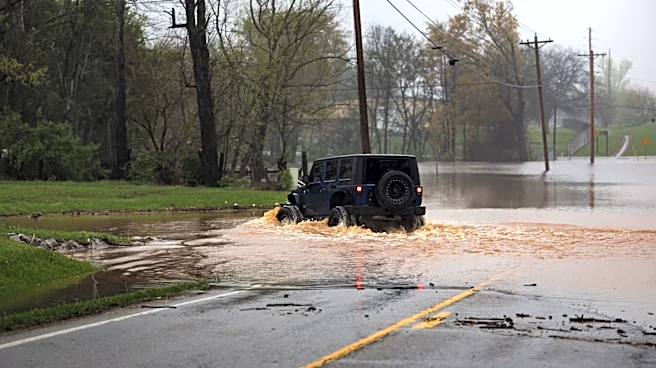
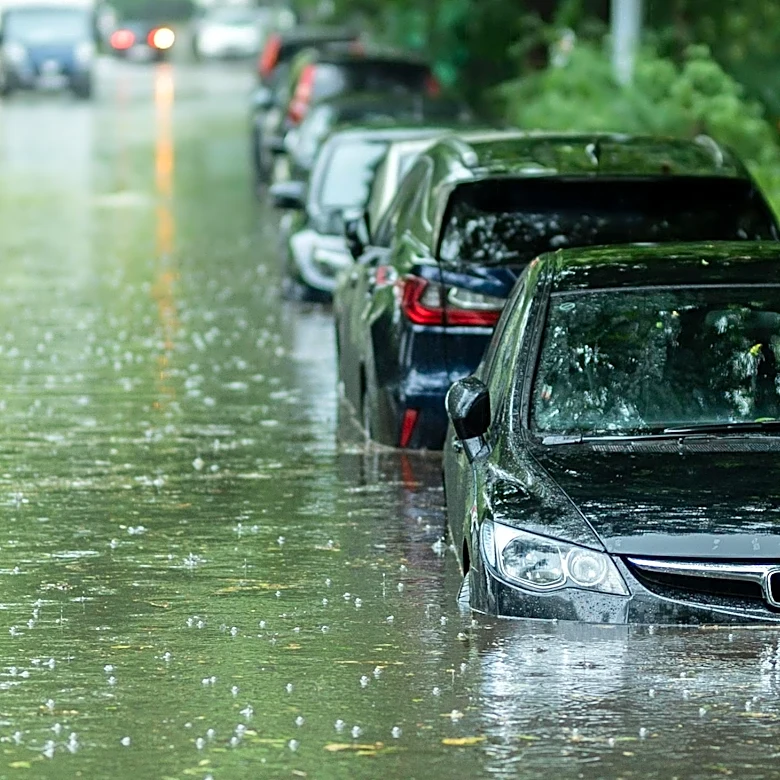
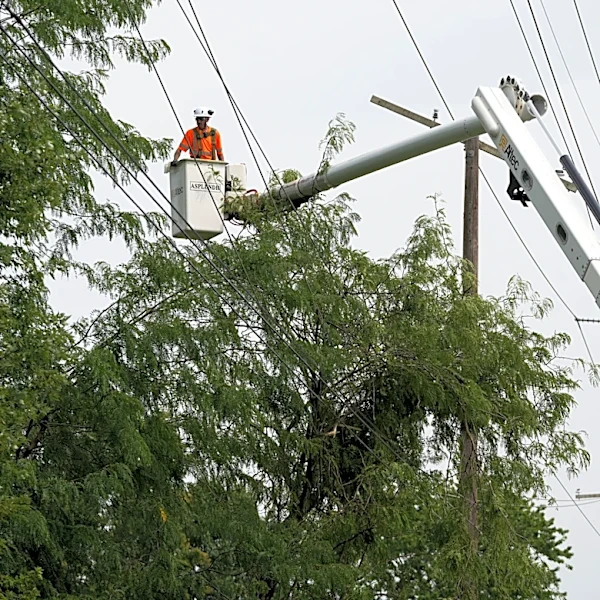
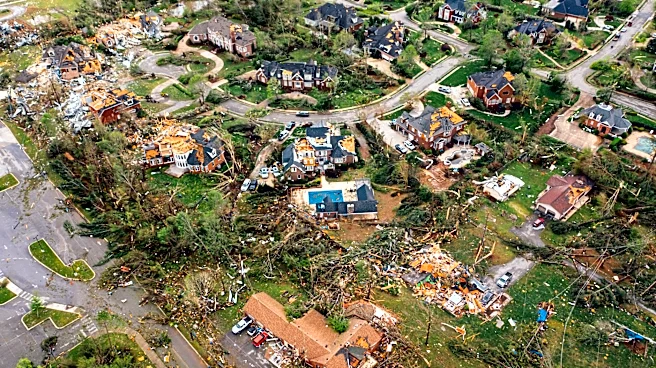
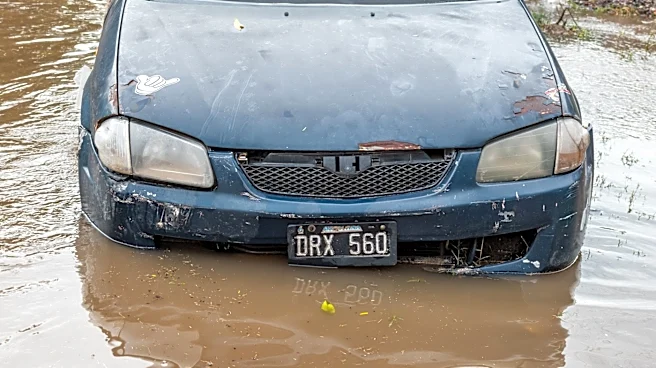
The Bloomington-Normal area is undergoing significant clean-up efforts following a series of severe storms that caused widespread flooding, power outages, and property damage. A microburst thunderstorm last week, followed by persistent rains, left many
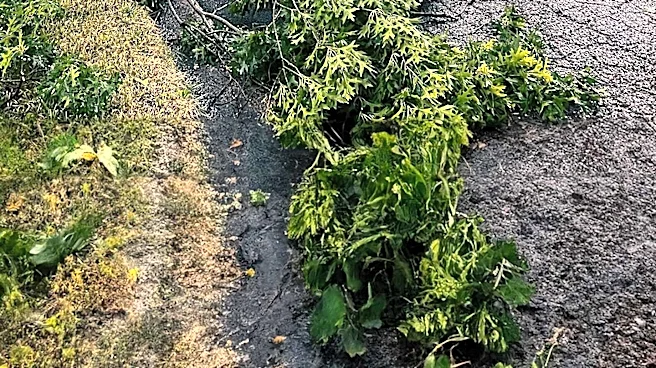
areas inundated, with trees downed, power lines disrupted, and basements flooded. Illinois State University (ISU) and Illinois Wesleyan University (IWU) students, many of whom were moving in for the start of the school year, were directly impacted. Freshman Makayla Johnson at ISU described flooded dorms and streets, while junior Katelyn Slobodian recounted her move-in day coinciding with the storm, leaving roads impassable and causing damage to her temporary housing. Over 22,000 residents experienced power outages, and critical infrastructure like the Constitution Trail, used by IWU's cross-country team, became un-runnable due to debris. City officials, including Bloomington City Council member Sheila Montney, noted the extensive damage and the community's collective efforts in the clean-up.
Why It's Important?
The severe weather event in Bloomington-Normal highlights the increasing vulnerability of U.S. communities to extreme weather phenomena, impacting daily life, infrastructure, and the start of the academic year for thousands of students. The disruption to universities like ISU and IWU can have significant economic and social consequences, affecting student well-being, academic schedules, and local businesses that rely on the student population. The extensive property damage, including to golf courses and residential areas, underscores the financial burden on individuals and insurance companies. The community's response, with neighbors assisting each other and city crews working diligently, demonstrates resilience but also points to the need for robust disaster preparedness and recovery plans in the face of unpredictable climate patterns. The incident also brings to light the limitations of insurance coverage for water damage, leaving many residents with substantial out-of-pocket expenses.
What's Next?
Clean-up operations are expected to continue for an extended period, with city crews and residents working to remove debris and restore services. Universities will likely continue to adjust their schedules and facilities to accommodate students affected by the damage, potentially offering support services for those displaced or impacted. There may be discussions at the local government level regarding infrastructure improvements to mitigate future flooding and storm damage, including reviewing drainage systems and tree management policies. The financial implications for affected residents and businesses will unfold as insurance claims are processed and repair work commences. The community's experience may also lead to enhanced emergency preparedness drills and communication strategies for future weather events.
Beyond the Headlines
This event underscores the broader implications of climate change and its localized impacts on U.S. communities. The 'microburst thunderstorm' and subsequent flooding point to the increasing intensity and unpredictability of weather patterns, challenging existing infrastructure and emergency response capabilities. The disruption to the start of the academic year for university students highlights the intersection of environmental challenges with educational and social systems, potentially affecting student mental health and academic performance. The community's collective response, while commendable, also reveals underlying social vulnerabilities, as some residents may lack the resources to recover quickly from such extensive damage. This incident serves as a microcosm of the larger national conversation around climate resilience, urban planning, and the need for comprehensive strategies to adapt to a changing environment.