


What's Happening?
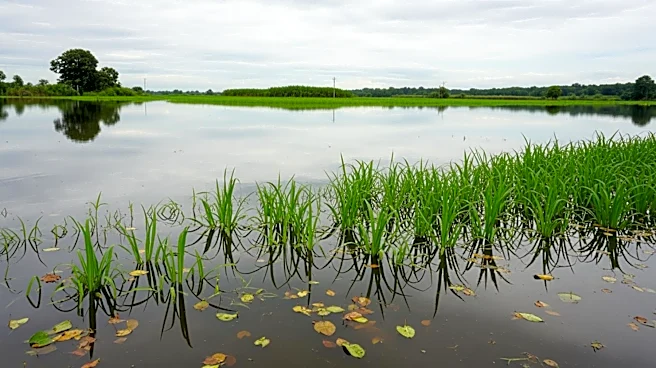
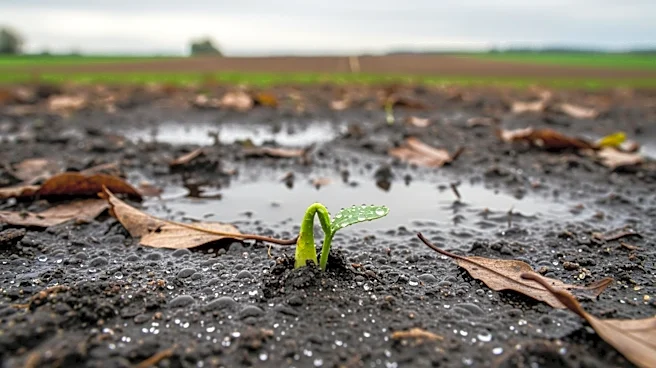
Recent floods in Hawaiʻi, caused by the Kona low storms, have severely impacted local farmers, prompting agriculture advocates to call for immediate assistance. The floods have resulted in an estimated $23 million in agricultural losses, affecting crops,
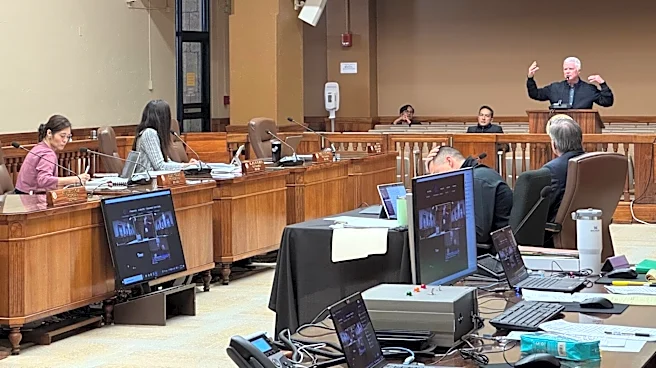
infrastructure, and farming equipment. However, this figure is likely an underestimation as many farmers have yet to fully assess the damage due to limited access to their farms. Over 1,000 farmers have applied for emergency relief funding, although only 380 have reported damages so far. The situation is exacerbated by the fact that only a small percentage of farmers have insurance to cover disaster-related losses. The Hawaii Cattlemen's Council and other stakeholders are urging state lawmakers to provide immediate recovery funding and to push for a federal disaster declaration, which would unlock additional federal aid.
Why It's Important?
The floods in Hawaiʻi highlight the vulnerability of the agricultural sector to natural disasters, particularly in regions prone to severe weather events. The lack of insurance coverage among farmers underscores the need for better risk management strategies and support systems. The economic impact extends beyond immediate crop losses, affecting infrastructure and future income potential. This situation could lead to increased food insecurity and economic instability in the region if not addressed promptly. The call for long-term resilience investments in water infrastructure and soil health is crucial to mitigate the effects of future disasters and ensure the sustainability of local agriculture. The response to this crisis will set a precedent for how similar situations are handled in the future, impacting policy decisions and resource allocation.
What's Next?
The immediate focus is on securing federal disaster aid to provide relief to affected farmers. State lawmakers are being urged to expedite this process and consider additional state-level support measures. In the long term, there is a push for the establishment of a 'farming rainy day fund' and improved agricultural emergency planning to better prepare for future disasters. The outcome of these efforts will depend on the responsiveness of government agencies and the availability of resources. Stakeholders are also advocating for policy changes to address longstanding issues such as high operational costs and lack of government support, which have been exacerbated by the recent floods.