








What's Happening?
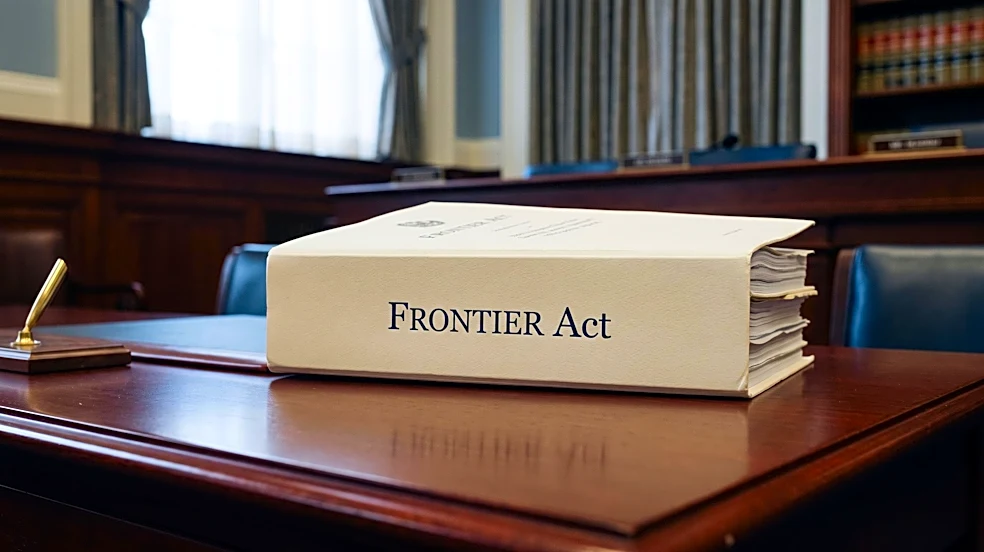
Representative Jay Obernolte, alongside Representative Lori Trahan, has introduced the FRONTIER Act in the House of Representatives. This proposed legislation aims to grant the U.S. government the authority to halt the deployment of artificial intelligence
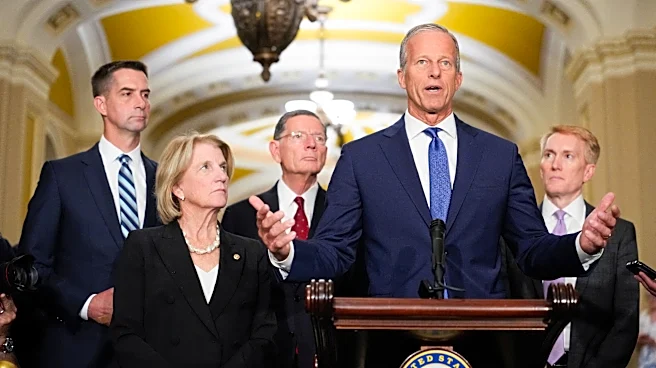
models deemed dangerous. The bill is part of a broader legislative effort to address the potential risks associated with advanced AI. This initiative comes as AI companies, such as Anthropic, are also proposing draft bills that would define specific, narrow circumstances under which the U.S. government could block frontier AI models, such as an imminent threat of at least $1 billion in damage or death or serious injury to more than 50 people. The FRONTIER Act specifically focuses on empowering the government to intervene when AI models pose significant dangers. Similar legislative discussions are also underway in the Senate, with Majority Leader John Thune and Senators Amy Klobuchar and Ted Cruz drafting their own proposals concerning catastrophic AI risks.
Why It's Important?
The introduction of the FRONTIER Act by Representative Obernolte and Representative Trahan highlights a growing concern within the U.S. government regarding the unchecked development and deployment of artificial intelligence. This legislation is crucial because it seeks to establish a framework for governmental oversight in a rapidly evolving technological landscape. Without such regulations, there is a potential for AI models to be released that could have severe, unforeseen consequences on national security, public safety, and economic stability. The debate around the FRONTIER Act and similar proposals from companies like Anthropic underscores the tension between fostering innovation and ensuring responsible development. The outcome of these legislative efforts will significantly impact how AI is regulated in the U.S., potentially setting precedents for global AI governance and influencing the competitive landscape for AI developers and users.
What's Next?
The FRONTIER Act will proceed through the legislative process in the House of Representatives, where it will likely undergo committee review, potential amendments, and debates. Concurrently, the Senate's proposed legislation on AI risks will also advance, potentially leading to a need for reconciliation between the two chambers' versions of the bill. Stakeholders, including AI companies, technology advocacy groups, and civil liberties organizations, are expected to engage in lobbying efforts to influence the final shape of the legislation. The U.S. Commerce Department, which could be tasked with implementing aspects of these regulations, will likely prepare for potential new responsibilities. The ongoing discussions will also involve defining the specific criteria for what constitutes a 'dangerous' AI model and the legal mechanisms for intervention, which will be critical for the practical application of any new law.
Beyond the Headlines
The legislative push, exemplified by the FRONTIER Act, delves into profound ethical and societal questions surrounding artificial intelligence. Beyond immediate safety concerns, the ability of the government to 'halt' AI deployment raises questions about censorship, innovation stifling, and the balance of power between state and technology developers. The debate also touches upon the definition of 'dangerous' AI, which could evolve as AI capabilities advance, potentially leading to a continuous re-evaluation of regulatory frameworks. Furthermore, the involvement of AI companies like Anthropic in drafting legislation highlights a complex dynamic where industry players are actively shaping the rules that will govern them. This could lead to concerns about regulatory capture or, conversely, could be seen as a pragmatic approach to ensure that regulations are technically informed and feasible. The long-term implications include the potential for the U.S. to set a global standard for AI regulation, influencing international norms and policies.