




What's Happening?
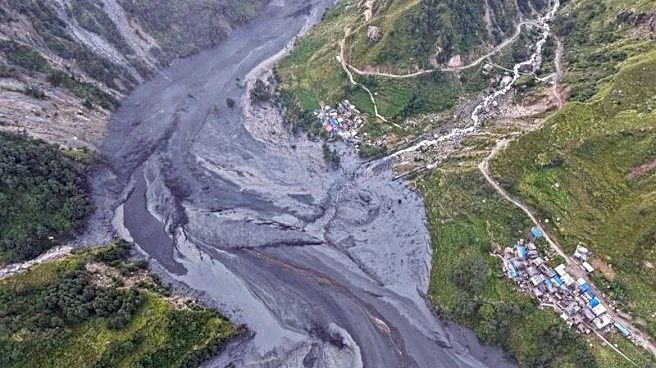
Approximately 5,000 households in northern Gorkha are currently without electricity following the destruction of the Sirdibas Uhiya micro-hydropower project. The power outage began on Sunday midnight after a flood in the Budhigandaki river damaged the project. According
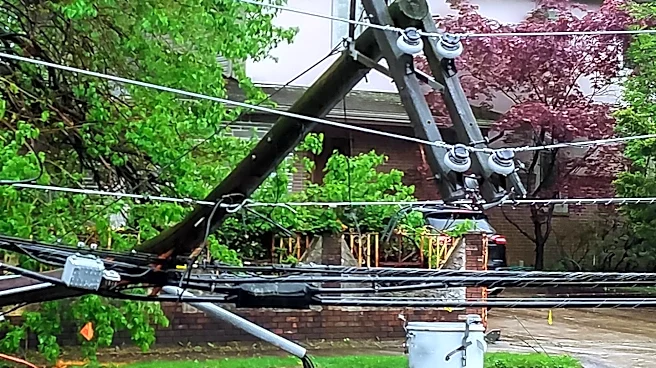
to Hydropower Project Chairperson Sujan Gurung, the flood washed away 12 electric poles and associated wiring, primarily affecting Chumnubri rural municipality-3 and 6. While the power house itself remained safe, the damage to the distribution infrastructure has left numerous villages, including Lokpa, Dungla, Nyak, Philim, Chisapani, Anga, Nagchet, Ghattekhola, Pangsing, Jagat, Salleri, Paiyun, Bhaluban, Sirdibas, and Jagat, without power. Additionally, the Dharche rural municipality has been severely impacted, with around 4,000 households across its seven wards losing power due to damage to the Arughat-based distribution center of the Nepal Electricity Authority. Fifty households in Arughat rural municipality-5 are also affected.
Why It's Important?
The widespread power outage in northern Gorkha has significant implications for the affected communities. The disruption of electricity not only impacts daily life but also severely hampers administrative activities, as noted by Chief Administrative Officer of Chumnubri rural municipality, Narayan Sapkota, who stated that internet services are also down. This lack of power and connectivity isolates these communities, making communication and access to information difficult. The damage to infrastructure, including bridges and roads, further exacerbates the situation, preventing movement between villages and hindering relief efforts. The incident highlights the vulnerability of remote communities to natural disasters and the critical importance of resilient infrastructure for maintaining essential services and supporting local economies. The loss of power can also affect small businesses, healthcare facilities, and educational institutions, leading to broader socio-economic challenges.
What's Next?
Efforts will likely focus on restoring electricity to the affected areas. This will involve repairing or replacing the damaged electric poles and wiring, and potentially rebuilding parts of the Sirdibas Uhiya micro-hydropower project's distribution network. The Nepal Electricity Authority will need to address the damage to its Arughat-based distribution center to restore power to Dharche rural municipality. Given the extensive damage to roads and bridges, as mentioned by former Vice-Chairperson of Chumnubri rural municipality, Kumari Gurung, logistical challenges in transporting materials and personnel for repairs are anticipated. Emergency relief and support for the affected households will also be crucial, especially concerning communication and access to basic necessities. Long-term planning may involve implementing more flood-resistant infrastructure to prevent similar disruptions in the future.
Beyond the Headlines
This event underscores the broader challenges faced by developing regions in maintaining essential services amidst environmental vulnerabilities. The reliance on micro-hydropower projects, while beneficial for decentralized energy, also exposes communities to localized risks from natural disasters. The cascading effects of the power outage, from administrative paralysis to communication blackouts, reveal the interconnectedness of modern infrastructure and daily life. It also brings to light the need for robust disaster preparedness and response mechanisms, particularly in areas prone to flash floods. The incident serves as a stark reminder of how climate-related events can disproportionately affect rural and remote populations, highlighting the importance of sustainable development and resilient infrastructure planning to mitigate such impacts.