




What's Happening?
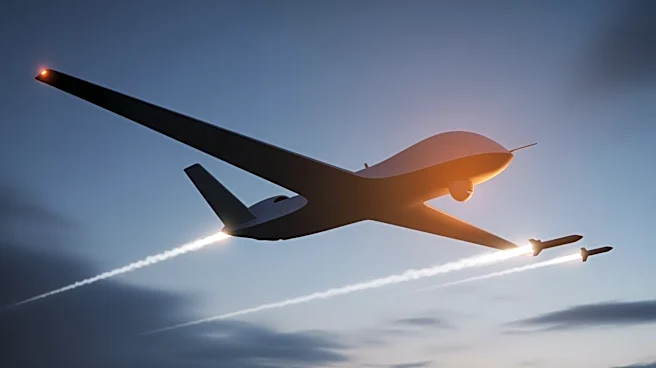
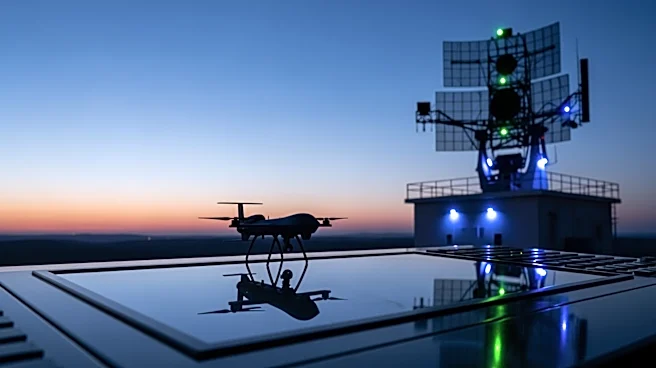
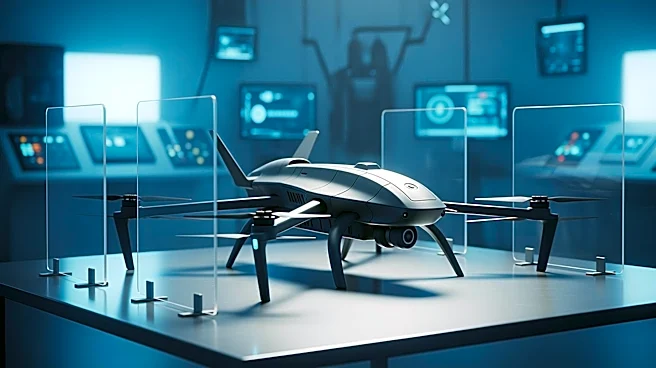
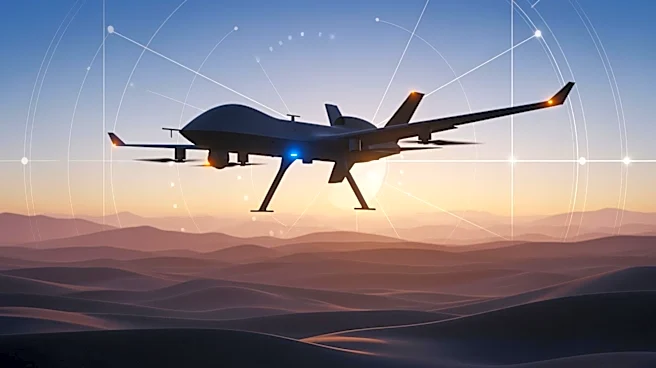
The U.S. Marines are facing challenges in preparing for future conflicts while managing current operational demands. Commanders express concerns about the strain on resources and time needed to adapt to new warfare technologies, such as drones and electronic
warfare. The Marines are undergoing a transformation to integrate these technologies into their operations, but the process is complicated by ongoing deployments and training requirements. The need to maintain readiness for potential future conflicts, while fulfilling current missions, is creating tension within the force.
Why It's Important?
The ability of the U.S. Marines to adapt to emerging threats is crucial for maintaining national security and military effectiveness. The integration of new technologies into military operations is essential for staying ahead of adversaries and ensuring the safety of personnel. However, the current strain on resources and personnel could hinder the Marines' ability to fully implement these changes. This situation highlights the need for strategic planning and resource management to balance modernization efforts with existing operational commitments.
What's Next?
The Marines are likely to continue their efforts to integrate new technologies into their operations, while seeking ways to alleviate the strain on resources and personnel. This may involve reassessing deployment schedules, optimizing training programs, and exploring partnerships with other military branches and defense contractors. The outcome of these efforts will depend on the ability of military leaders to effectively manage competing priorities and ensure that the force remains prepared for both current and future challenges.