



What's Happening?
The Trump administration has issued a warning to the Smithsonian Institution, indicating that federal funding could be withheld if the museum does not comply with a comprehensive review mandated by the White House. This review, initiated by an executive
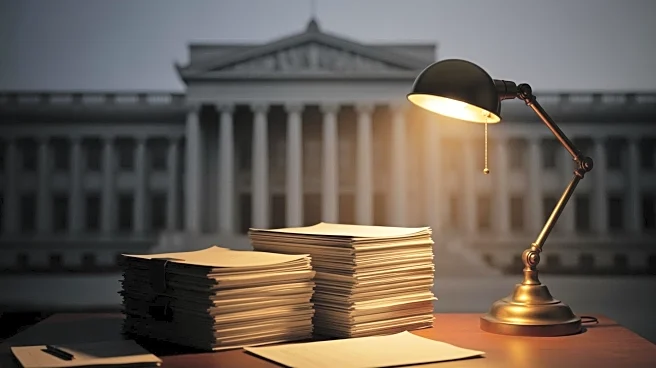
order from President Trump in March, aims to eliminate what the administration perceives as 'ideological indoctrination or divisive narratives' within the Smithsonian's programming. The White House has requested extensive documentation from the Smithsonian, including gallery labels, exhibition plans, and internal communications. However, the materials provided by the Smithsonian in September were deemed insufficient by the administration. The Smithsonian, which receives two-thirds of its budget from the federal government, faces a deadline of January 13 to submit the remaining documents. The institution's Secretary, Lonnie Bunch III, has committed to providing the requested information, although he noted that a recent government shutdown delayed their efforts.
Why It's Important?
This development highlights the ongoing tension between the Trump administration and cultural institutions over the portrayal of American history. The administration's push for a more 'positive' view of American history could significantly impact how historical narratives are presented in public institutions. The Smithsonian, as a major cultural and educational entity, plays a crucial role in shaping public understanding of history. The potential withholding of federal funds underscores the leverage the administration holds over such institutions, which could lead to changes in how they operate and curate their exhibits. This situation raises concerns about the independence of cultural institutions and the influence of political agendas on educational content.
What's Next?
The Smithsonian has until January 13 to comply with the White House's demands. Failure to do so could result in the loss of federal funding, which would have significant financial implications for the institution. The outcome of this situation could set a precedent for how cultural institutions interact with government mandates in the future. Stakeholders, including museum ethics experts and cultural commentators, are likely to continue debating the implications of this review and its impact on the Smithsonian's programming and independence.