



What's Happening?
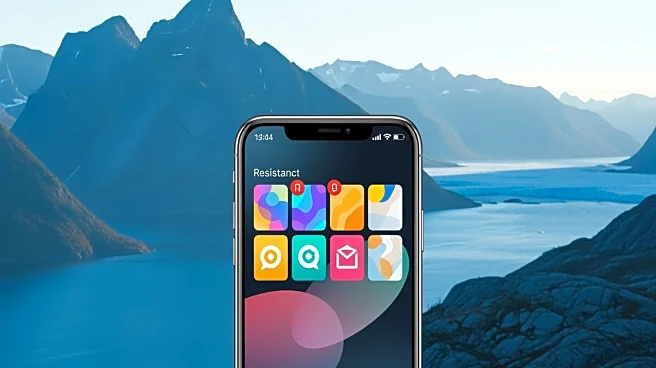
In Denmark, mobile applications designed to help consumers identify and boycott American goods have experienced a significant increase in downloads following tensions between the U.S. and Denmark over Greenland. The 'Made O’Meter' app, created by Ian
Rosenfeldt, saw around 30,000 downloads in just three days during the height of the diplomatic crisis in late January. This app uses artificial intelligence to scan products and suggest European-made alternatives, allowing users to avoid U.S. brands. The surge in interest coincided with President Trump's controversial remarks about acquiring Greenland, a semiautonomous Danish territory. Another app, 'NonUSA,' also reported a spike in downloads, with over 25,000 on a single day. Despite the symbolic nature of these boycotts, the apps have provided a sense of empowerment to users who wish to express their discontent with U.S. policies.
Why It's Important?
The rise in app downloads highlights a growing sentiment in Denmark and other European countries against U.S. policies, particularly those perceived as aggressive or imperialistic. This movement, while largely symbolic, underscores the potential for consumer-driven actions to influence international relations and trade. The apps' popularity suggests a desire among European consumers to support local products and reduce reliance on American goods. This could have implications for U.S. businesses operating in Europe, as sustained boycotts might encourage supermarkets and retailers to stock more European alternatives. Additionally, the situation reflects broader geopolitical tensions and the role of technology in facilitating grassroots movements.
What's Next?
While the immediate surge in app usage has subsided, the underlying tensions between the U.S. and Denmark over Greenland remain unresolved. Future developments could see further diplomatic negotiations or economic measures, such as tariffs, which President Trump had previously threatened. The apps may continue to serve as tools for consumers wishing to make politically motivated purchasing decisions. Moreover, the situation could inspire similar technological solutions in other regions facing geopolitical disputes, potentially leading to a more fragmented global market.
Beyond the Headlines
The use of technology in political protests raises questions about the effectiveness and ethics of consumer boycotts. While apps like 'Made O’Meter' empower individuals, they also highlight the limitations of such actions in effecting real change. The reliance on American technology, such as smartphones and app stores, to facilitate these boycotts presents a paradox. Furthermore, the situation illustrates the complex interplay between national sovereignty, economic interests, and consumer behavior in an increasingly interconnected world.